If all the beasts were gone, men would die from a great loneliness of spirit. For whatever, happens to the beasts, soon happens to man. All things are connected. Chief Seattle, 1854
We catch an Osprey beat off from the water, working
hard to fill height with a large fish. No sign of whales.
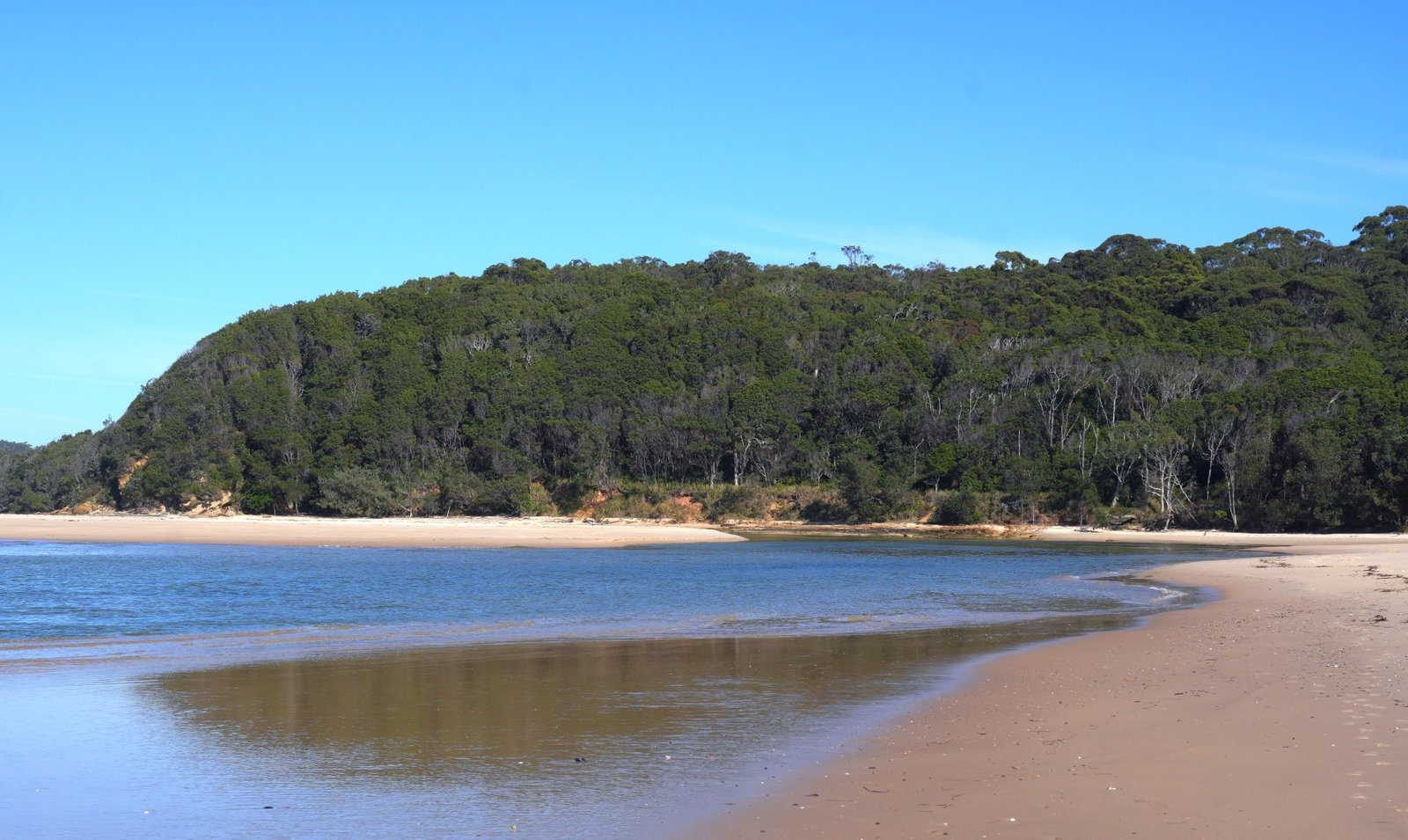
One day is this my final view, scenic, oceanic bright,
beautiful beaches? Or a ceiling drained of colour?
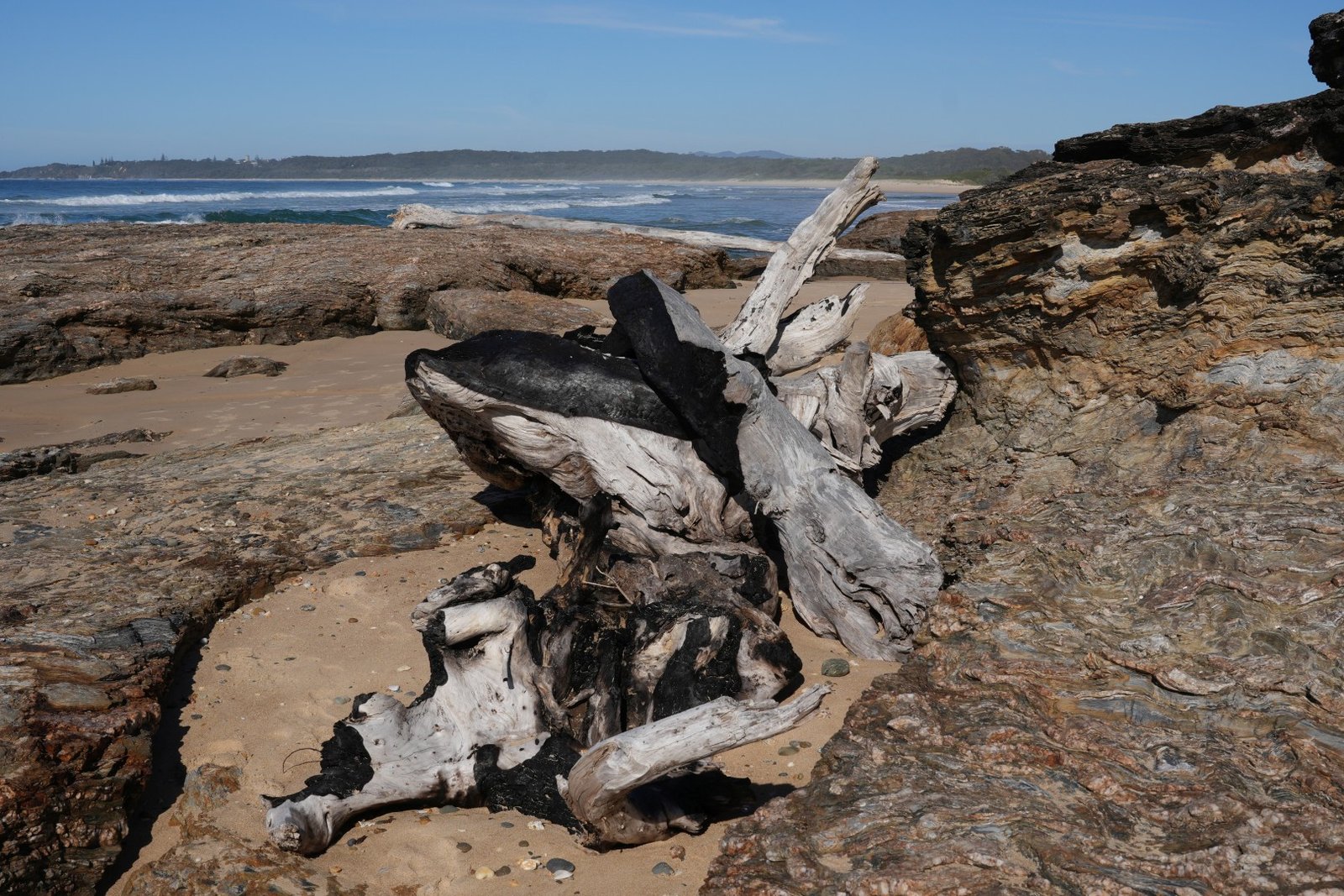
Wyn sees a dolphin, the driftwood keeps losing limbs,
yugirr is the Gumbaynggirr name, a popular totem.
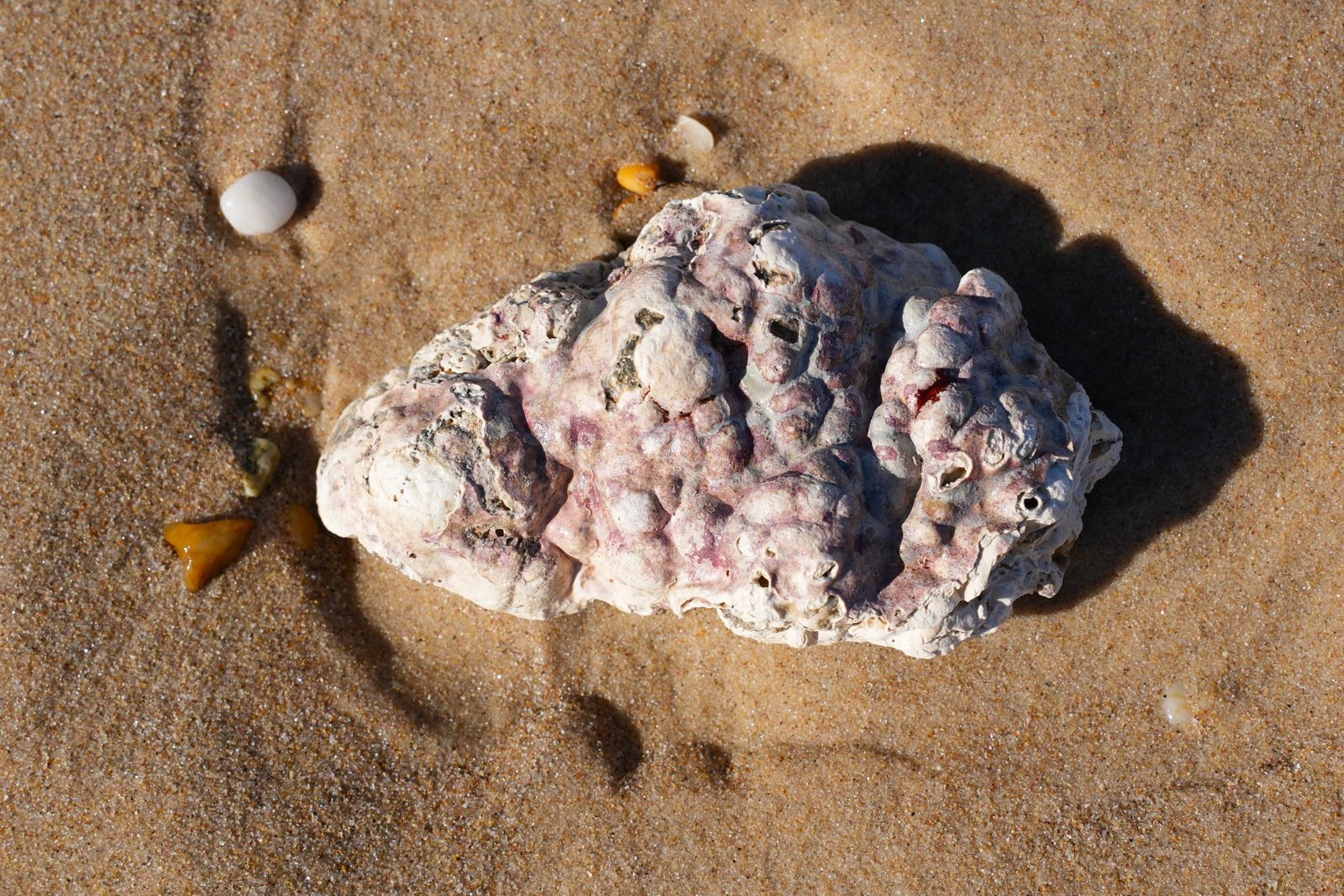
A family appear, perfect reflections on shallows. A shame, I keep
my camera closed for the children, open for ghosts in coral.
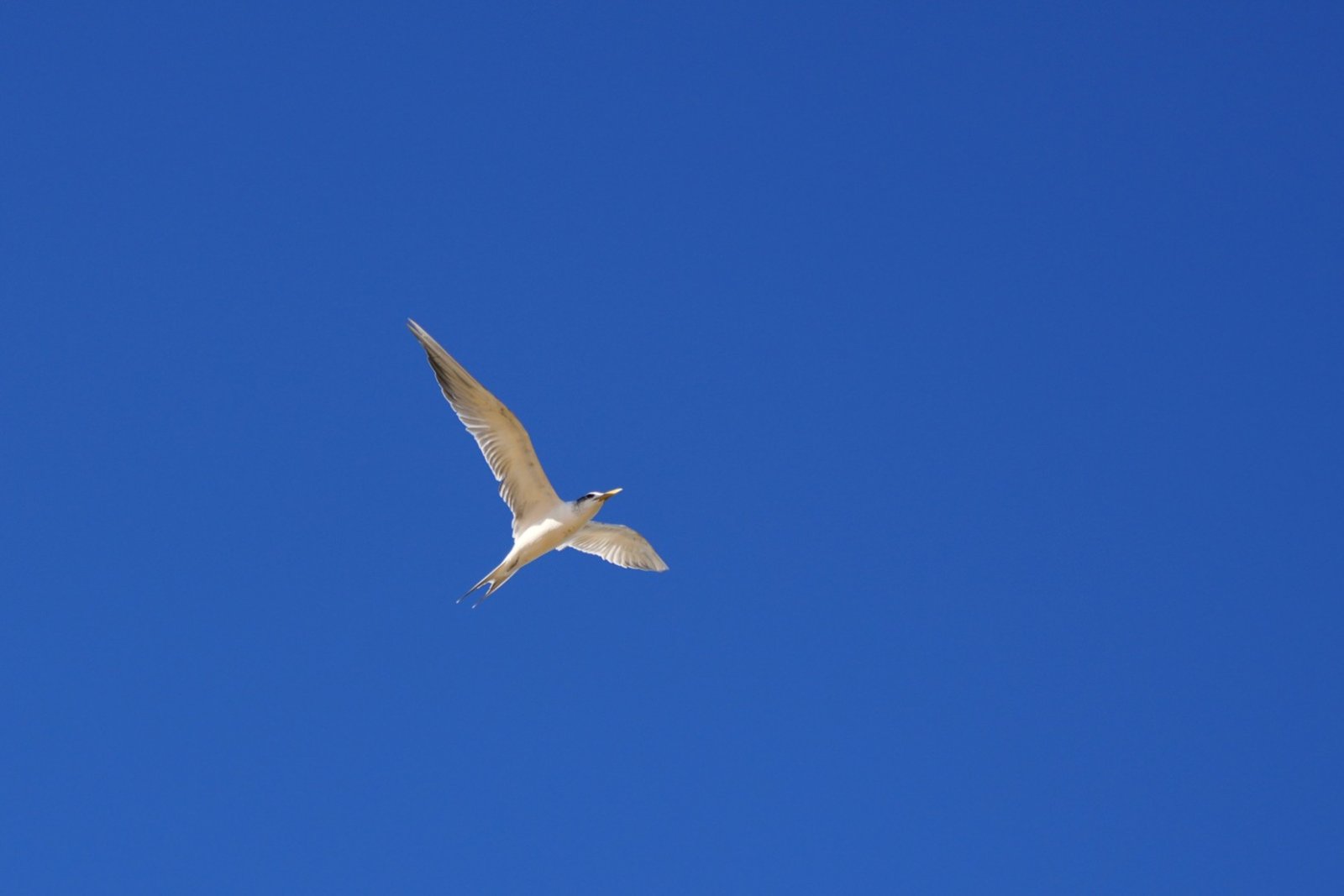
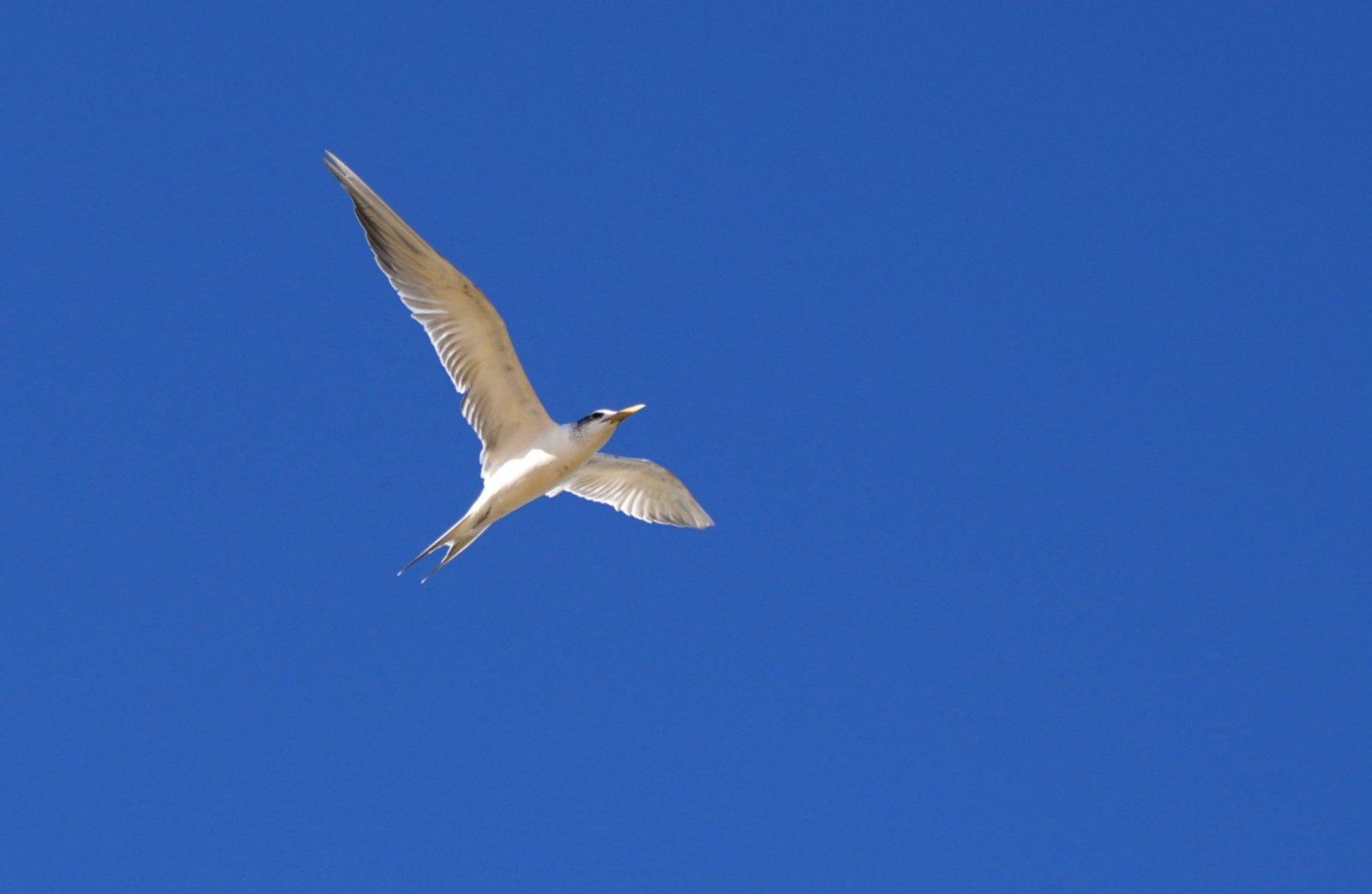
A Crested Tern pulls up from its reflection, an elastic
and elegant passing. The second mouth has closed again.
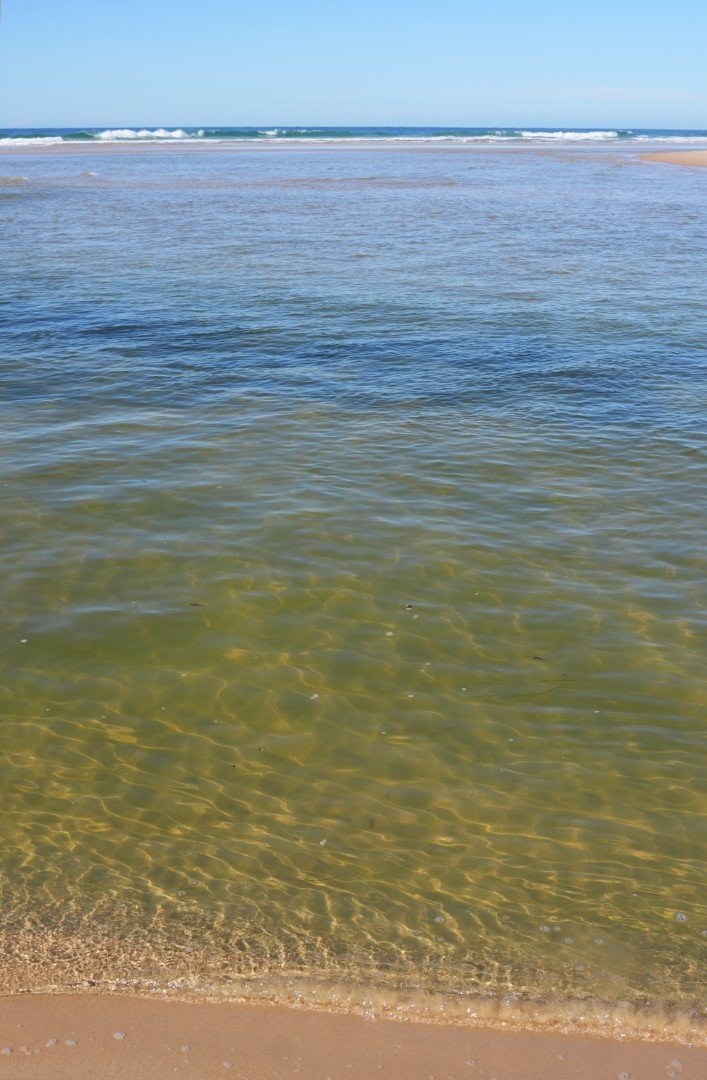
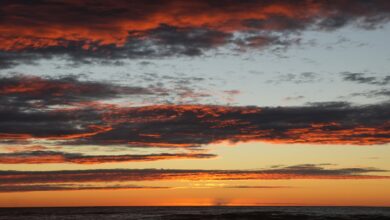
The colours are imminent, tempting to try and touch,
aspirational, nostalgic for necessary details until next time.
Sea-noise chokes the air, bass breakers, tinkling Miilba,
piping cuts through from a rock platform.
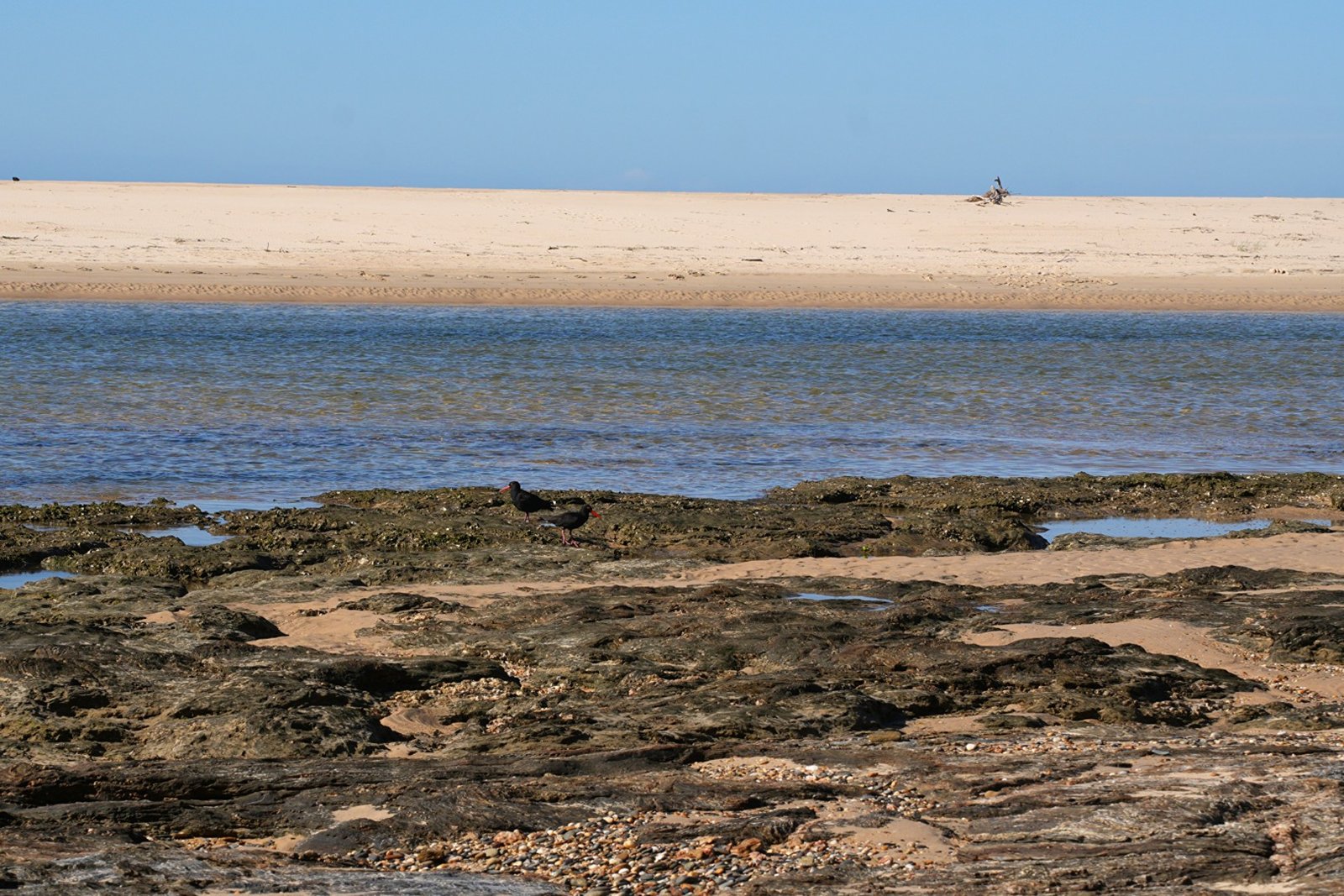
My body reacts to Oystercatchers, I can feel a dose
of dopamine, being here, an actual place at the right time.
You can’t take words for granted.
The tide will ebb sometime for the last time.
Note.
Chief Seattle (Chief siaʔɬ Lushootseed name) was the leader of both the Suquamish and Duwamish tribes. He was the first signatory for both on the Point Elliot Treaty of 1855. This treaty effectively signed over use of the tribe’s lands, waters, and resources to settlers, in exchange for hunting and fishing rights, as well as reservation land for the people to live on, and rights to practice religion. Joshua L. Reid an Indigenous academic (Snohomish) worries the speech has been used to brushstroke Chief Seattle as an ‘ecological Indian’.