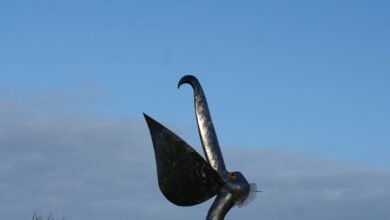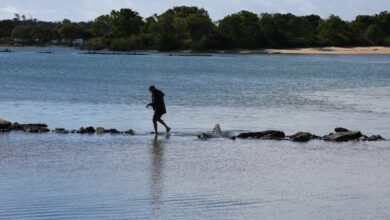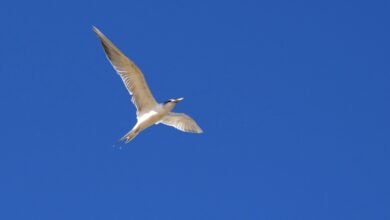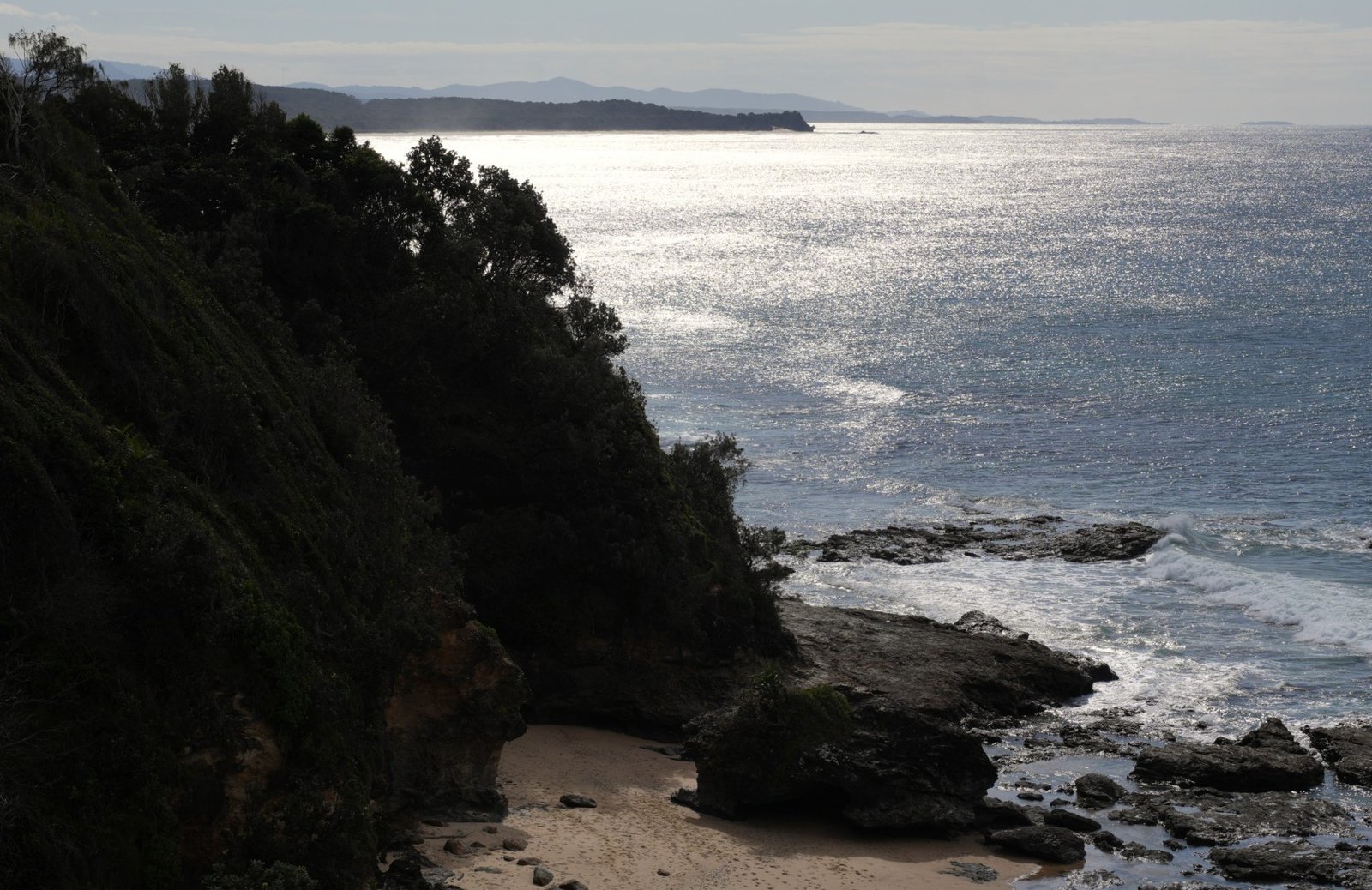
A short walk, no whales or dolphins,
woven silver and waning arc of continent.
In the papers Debra Craine praises
George Balanchine’s ‘poetic romanticism’.
I check out Serenade, witness women
become flowers and flow light as angels.
I’ve been ill for a while, lumbersome
and weak, like half a century ago
shuffling my way from a gloomy fleapit
to the American Cultural Center not far
in Shahr-e Naw, a refuge from the chill.
In a comfortable chair watched videos
of Balanchine and reading the Illustrated
London News advertising Christmas treats,
fantasised what I would order for dinner
after months of street food. Staggering
back by six. The curfew unexpected.
The Russians were coming.
What happened?
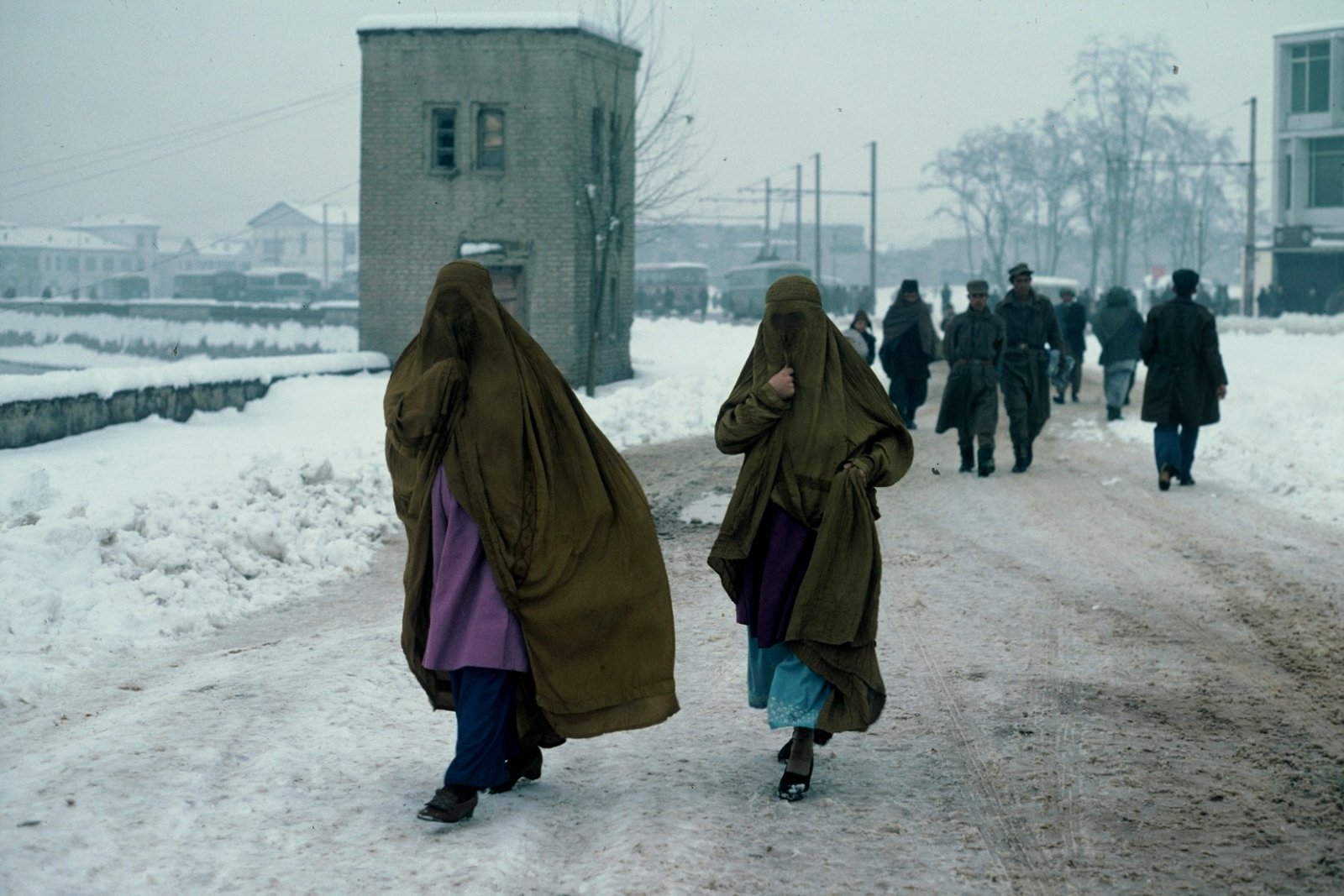
Kabul winter 1979, photo by Lluís Foix
Ignoring military casualties, from 79
the decade tallied a million civilian deaths.[i]
It was the turn of the US in 2001,
that two-decade war nailed 50,000
civilians, 70,000 military /police
and over 50,000 opposition fighters.[ii]
The Soviets were kicked out, the Americans
were kicked out, women’s rights kicked out.
70% of the population are drowning under
the poverty line. Children exit from lack
of food and a broken health system.
Civilisation churns out reports, poetry, flowers . . .
Estimates indicate that around 28 million people in Afghanistan were living in poverty in 2025, with the situation compounded by mass population returns, worsening drought and shrinking international aid.[iii]
[i] https://en.wikipedia.org/wiki/Soviet%E2%80%93Afghan_War
[ii] September 1, 2021, https://theconversation.com/calculating-the-costs-of-the-afghanistan-war-in-lives-dollars-and-years-164588
[iii] 13 May, 2026, https://news.un.org/en/story/2026/05/1167500.
Debra Craine, ‘The 25 greatest American works of art, chosen by the critics’, The Times, July 03, 2026.