Christmas 1979 and beyond
1
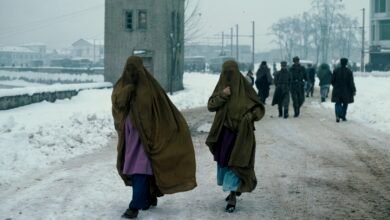
The TV camera pans across occasional walls once
defining streets, locates scattered children scavenging
the dangerous rubble. Desert is devouring Kabul.
Don’t recognise the busy street I crossed daily
labouring from a poxy hotel to the warmth
and comfort of the American Information Centre.
I skipped the Bamiyan Buddhas for an armchair,
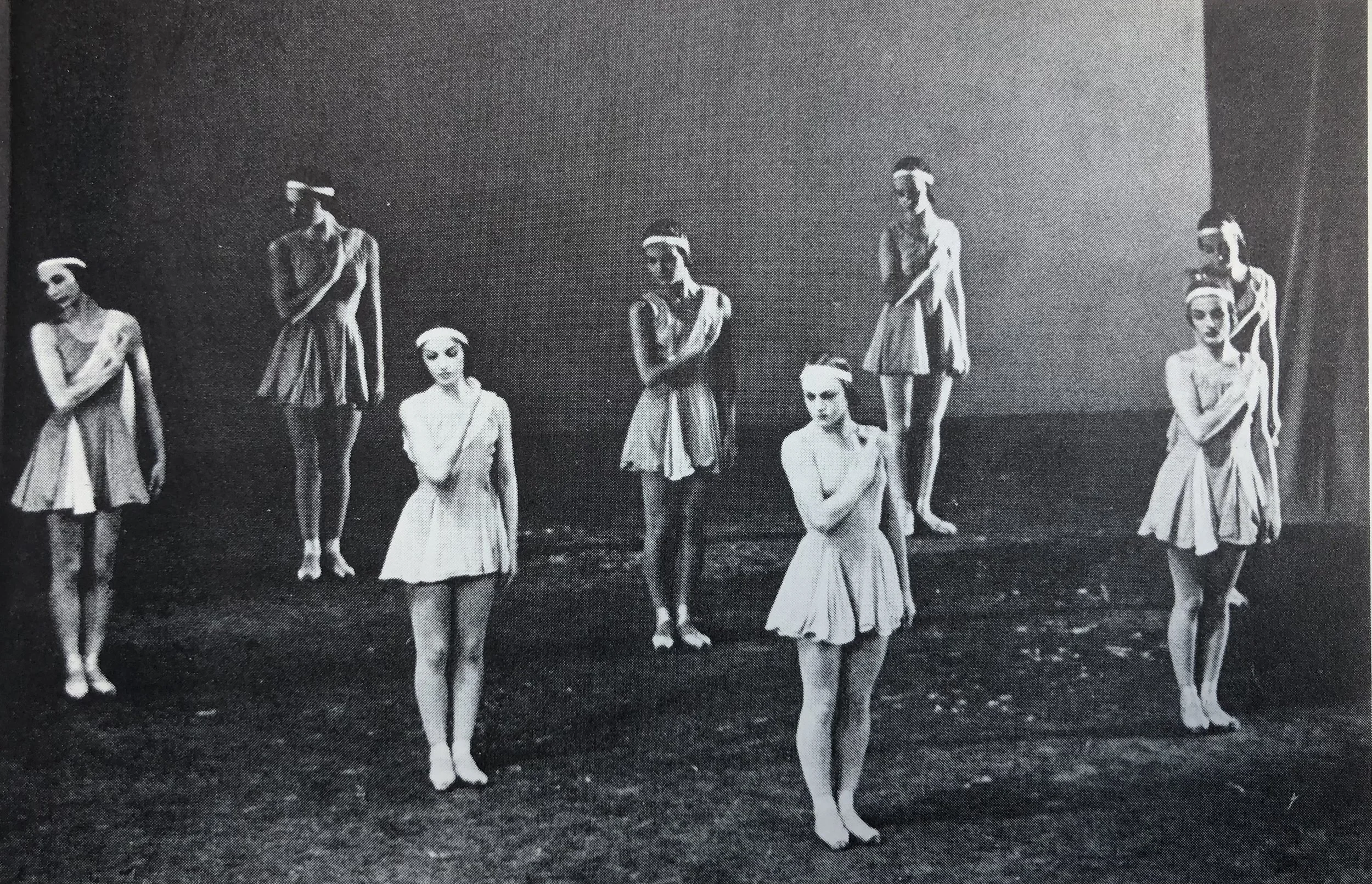
watched videos of Balanchine’s fit, young athletic
vertebrae spinning fluid lines light as haiku.
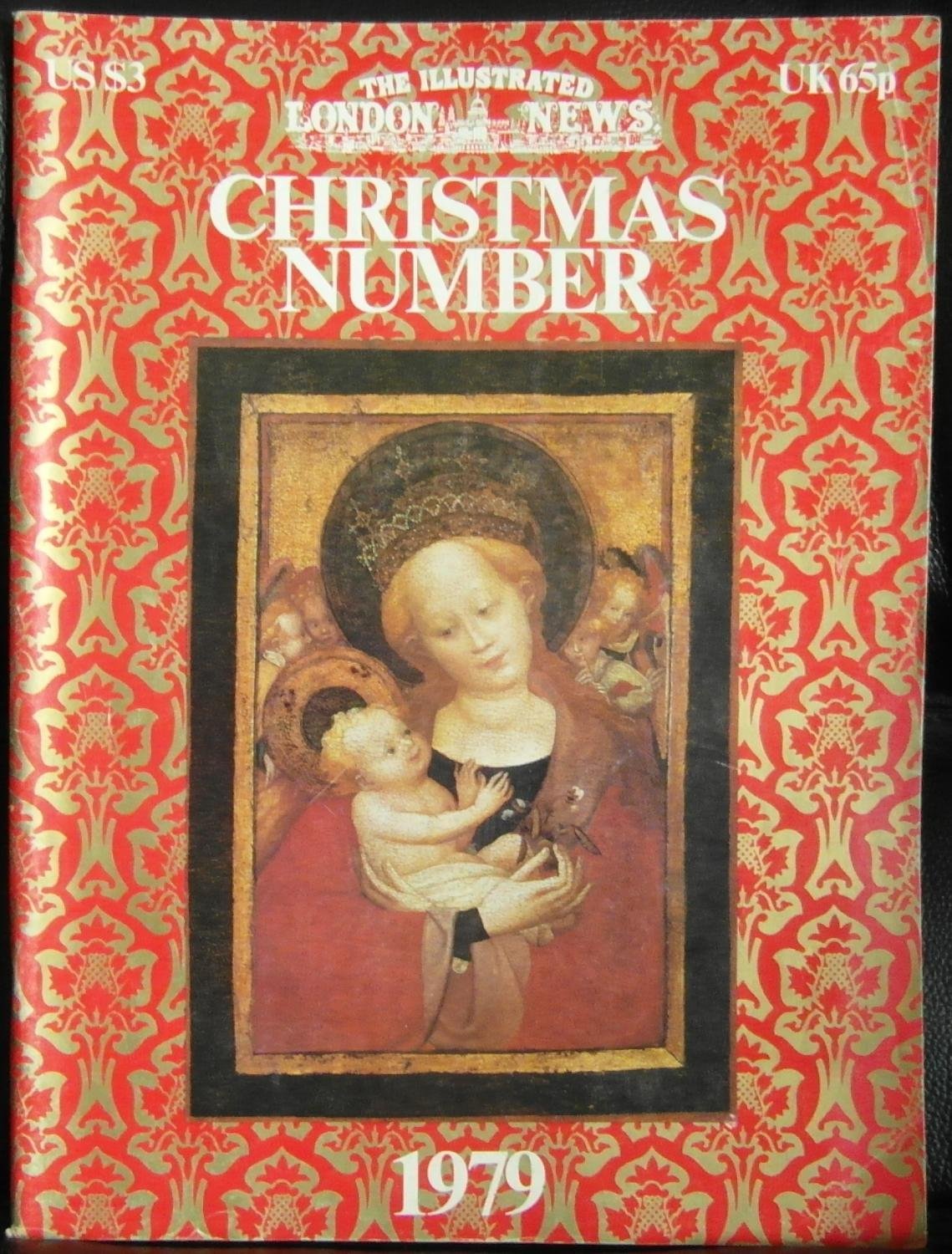
Read an Illustrated London News Christmas Special:
‘invincible deluxe cigars’, ‘The sayings of Père Patriarche’
(bottled in France), ‘Coins of the first Noël’, all circling
at the time of the birth of Christ: a shekel, denarius,
and stater. ‘Mary Celeste – the Truth’. ‘Winter just
wouldn’t be the same without ice. Nor would Martini Dry’,
or ‘Roger Banfield’s total devotion to his work
at the Café Royal’. England happily endures its past.
A curfew drained the streets by six.
I sold my blood (one needle stabbing all of us),
ate little, waited for my strength to return
before continuing my journey to India.
I left behind a future helpless to repel
misery, violence, starvation. I feel
guilt and anger at my youthful ignorance
2
On the edge of town, a river valley
rescues emerald fields against the nude
mountains and their metamorphic core.
Early, reptile cold, sound billows
from a white tent pegged beside
a dusty road. Curious I take a look.
A sawdust ring corrals bars, a boy,
young man and an older look-alike
for that bully Zampanò.
The acrobats practice, spin
and swing on a low trapeze
landing on hairy shoulders – thud.
Balletic somersaults, tree trunks
twitching muscle fibres,
I’m feet from films of sweat.
Their eyes are focused
typically ignoring
spin saray interlopers.
Have they all landed safely?
Like the spinning dust motes
that floated gently to earth.
I reconcile left with right
up with history, a dizzy down,
rhetoric an argument for style.
3
‘The marines have landed, and now we own a piece of Afghanistan. The New York School of Ballet could not have orchestrated a more intricate movement more flawlessly.’ General James Mattis, The US commander of Operation Swift Freedom, 2001.
4
A man visited a Kabul club where the ‘Superiors’, a breakdancing crew with over 60 dancers, trained. He said he wanted to watch them practice. A dozen soldiers burst in, tackled him down. He was a suicide bomber. The club closed. ‘Today, Makhloot and many of his crewmates have had to leave behind not only their training club but their country, as the government collapsed in August and the Taliban has taken over. ‘We were in danger even when the government was still active,’ he says. ‘When the government fell apart, there was no chance to do this.’’ 2021.
5
‘George and Hazel were watching television.
There were tears on Hazel’s cheeks,
but she’d forgotten for the moment what they were about.
On the television screen were ballerinas . . .
‘That dance-it was nice,’ said Hazel.
‘Yup,’ said George. He tried to think a little about the ballerinas.
They weren’t really very good-no better than anybody else would have been, anyway.
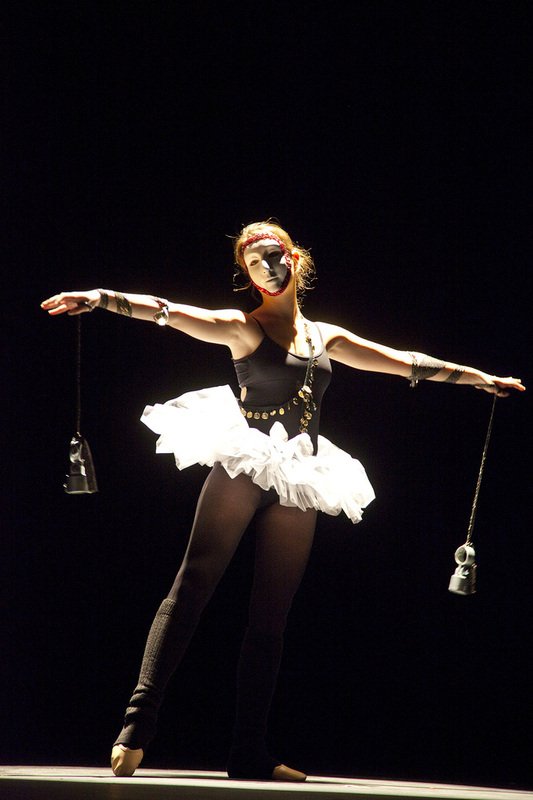
They were burdened with sashweights and bags of birdshot, and their faces were masked.’
Notes
When the Taliban seized control of Kabul in September 1996, they outlawed all forms of dancing, music and musical instruments. The Taliban lost control of Kabul November, 2001. The Taliban retook Kabul August, 2021.
James Mattis, quoted by Mark Baker, ‘US bruised as stronghold teeters’, Sydney Morning Herald, 28.11.2001.
Breakdancing: Lauren Wingenroth, ‘The Afghan Dance Teachers Who’ve Had to Leave Their Country Behind’, https://dance-teacher.com/ October 29, 2021.
‘George and Hazel’: Kurt Vonnegut, Jr., ‘Harrison Bergeron’, The Magazine of Fantasy and Science Fiction, 1961.
Ballerina image from https://sgiramma.weebly.com/harrison-bergeron.html