Ho Chi Minh, Vietnam
Surveillance cameras are everywhere in a city. Taking photographs in public with phones has become ubiquitous, and hardly noticed in Vietnam. In Ho Chi Minh, just before the new year festivities, people were constantly taking photographs and videos of each other, often for TikTok.
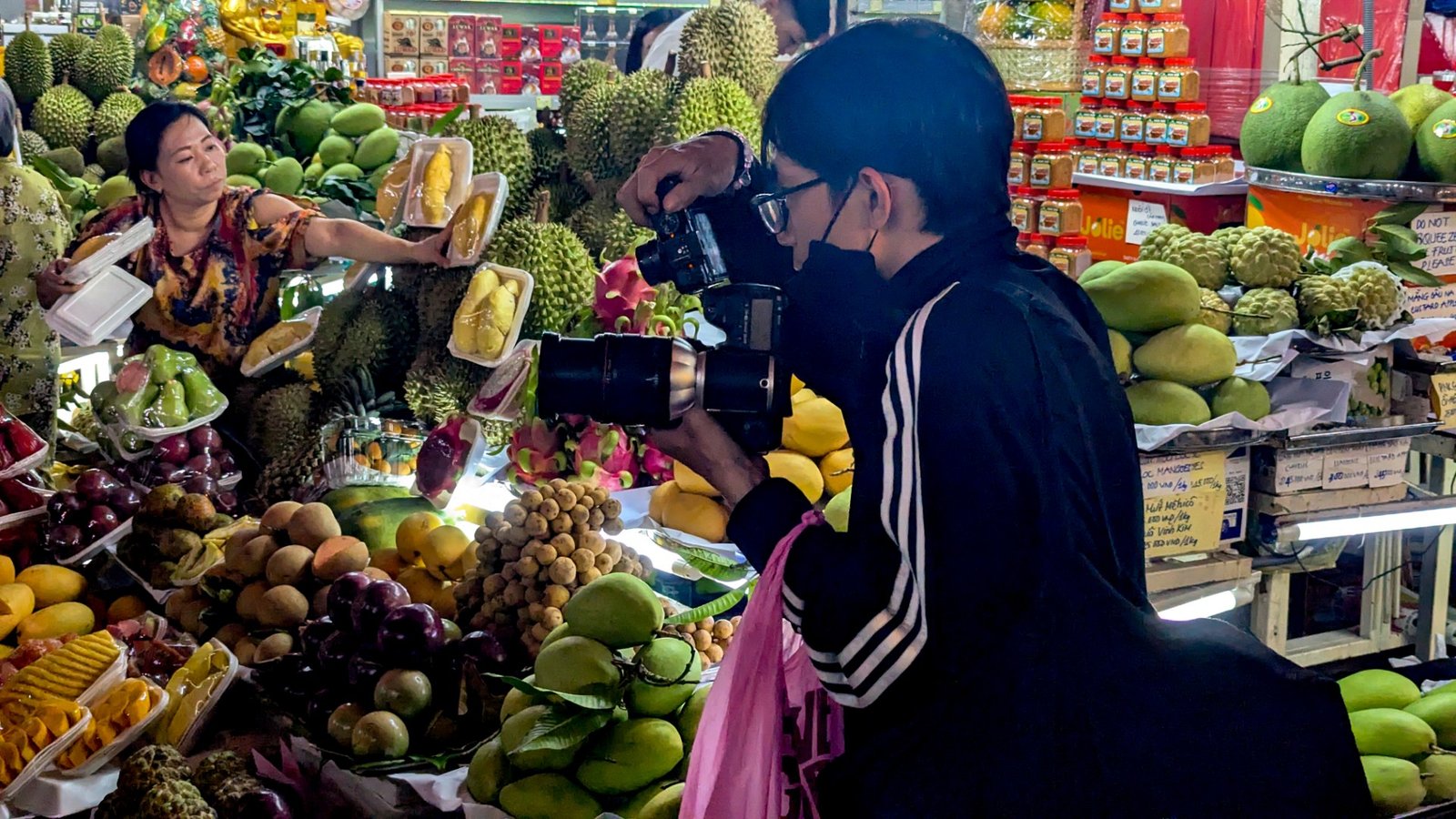

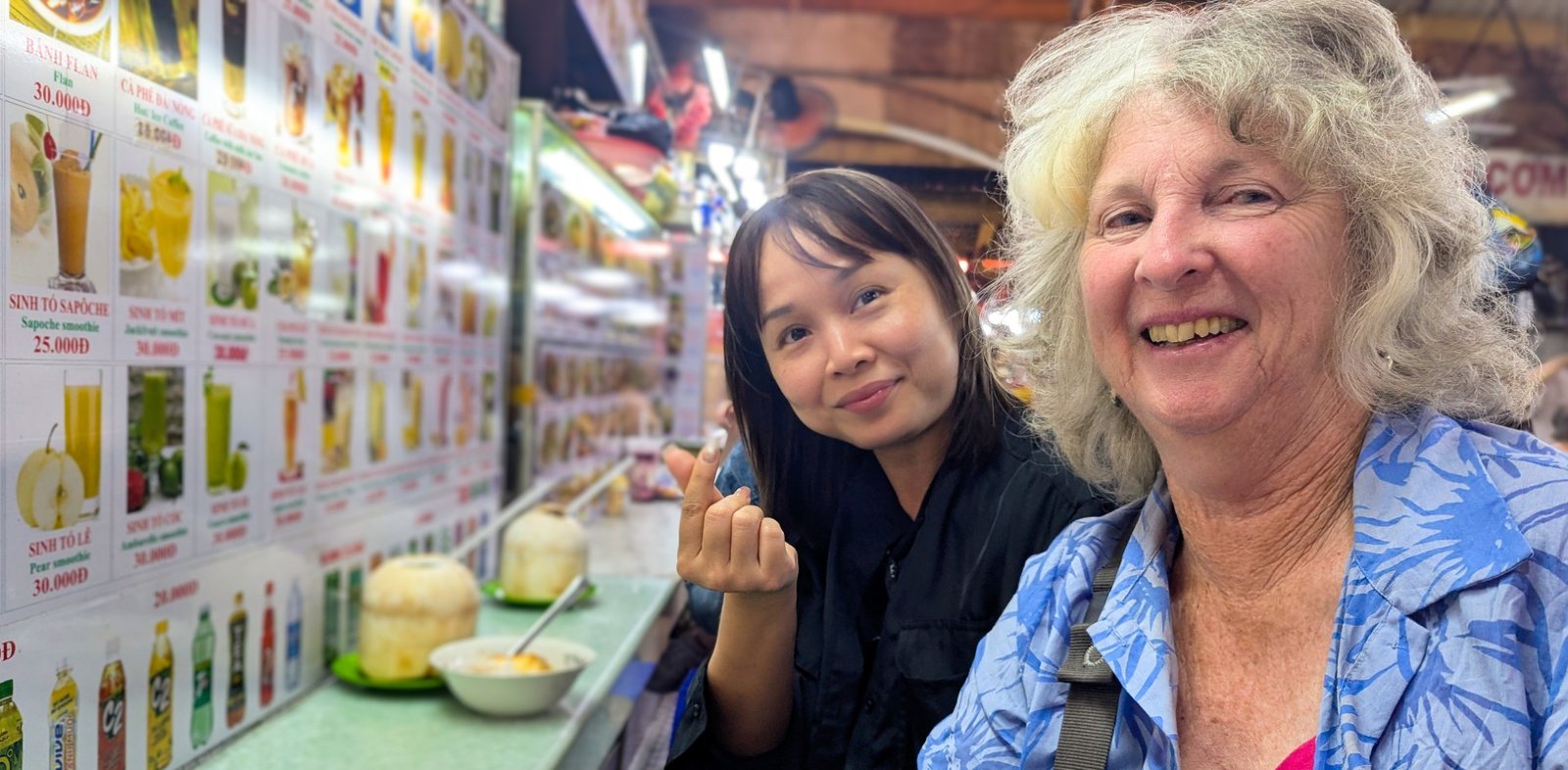
I found it surreal but Susan Sontag’s notion is quite different: ‘What makes a photograph surreal is its irrefutable pathos as a message from time past.’[i] Sontag argues that the earliest surreal photographs are images of street life from the 1850s, strange clothes, actions, and evidence of class distinctions.
‘TikTok has achieved explosive growth [in Vietnam], with estimates as of early 2025 pointing to tens of millions of active users. It has become the top short-video platform in the country, passing competitors in popularity. The platform is exceptionally popular among Vietnam’s huge Gen Z population, with over 80% of young internet users reportedly active on the app.
TikTok is no longer just for entertainment; it is a major e-commerce driver. TikTok Shop has seen rapid adoption, with influencers and brands generating significant sales through live streams. TikTok in Vietnam is highly localized, with creators using local dialects, humour, and trends, driving high engagement rates.’[ii]
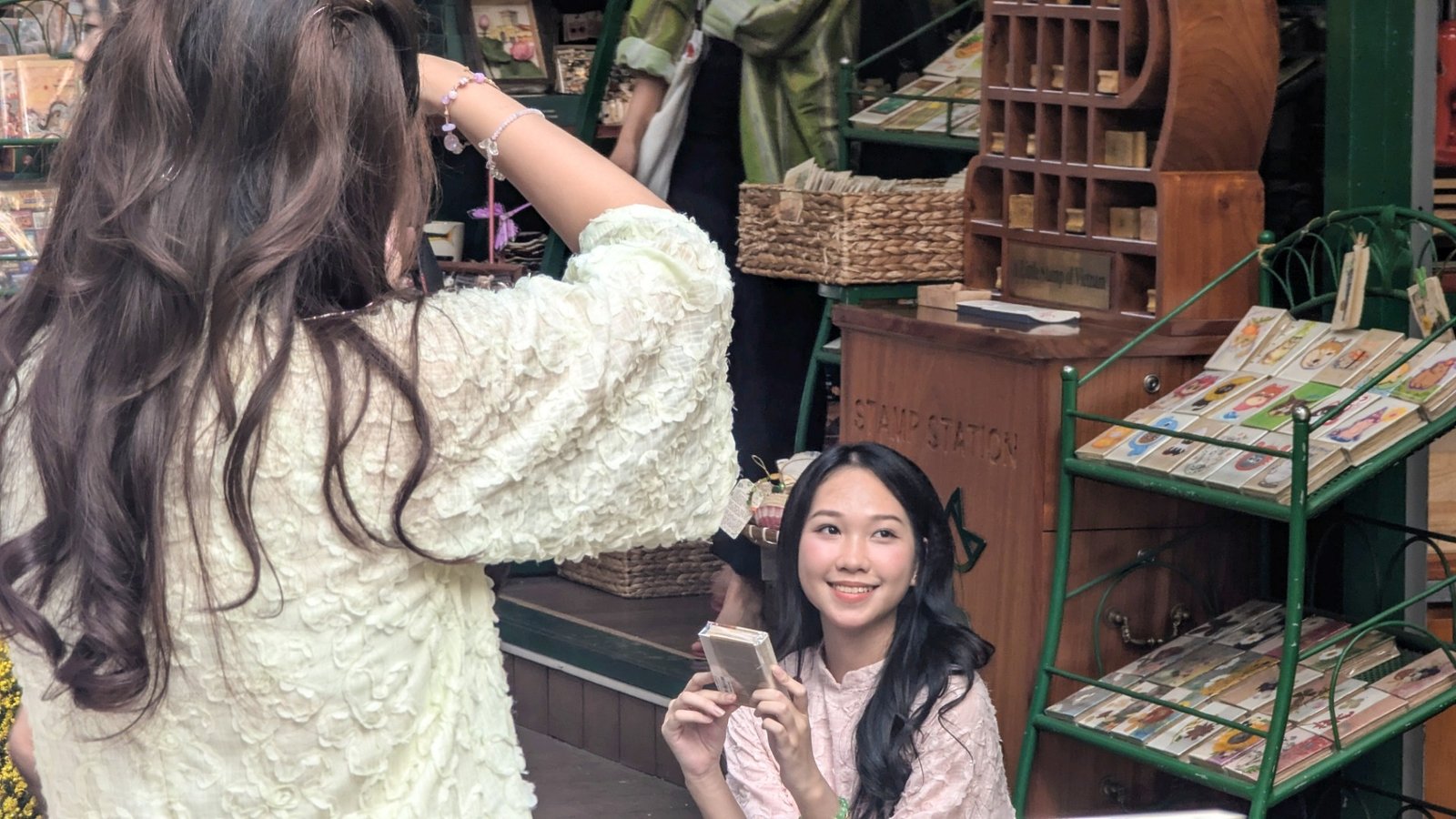
in Book Street

Poeple were being photographed everywhere.
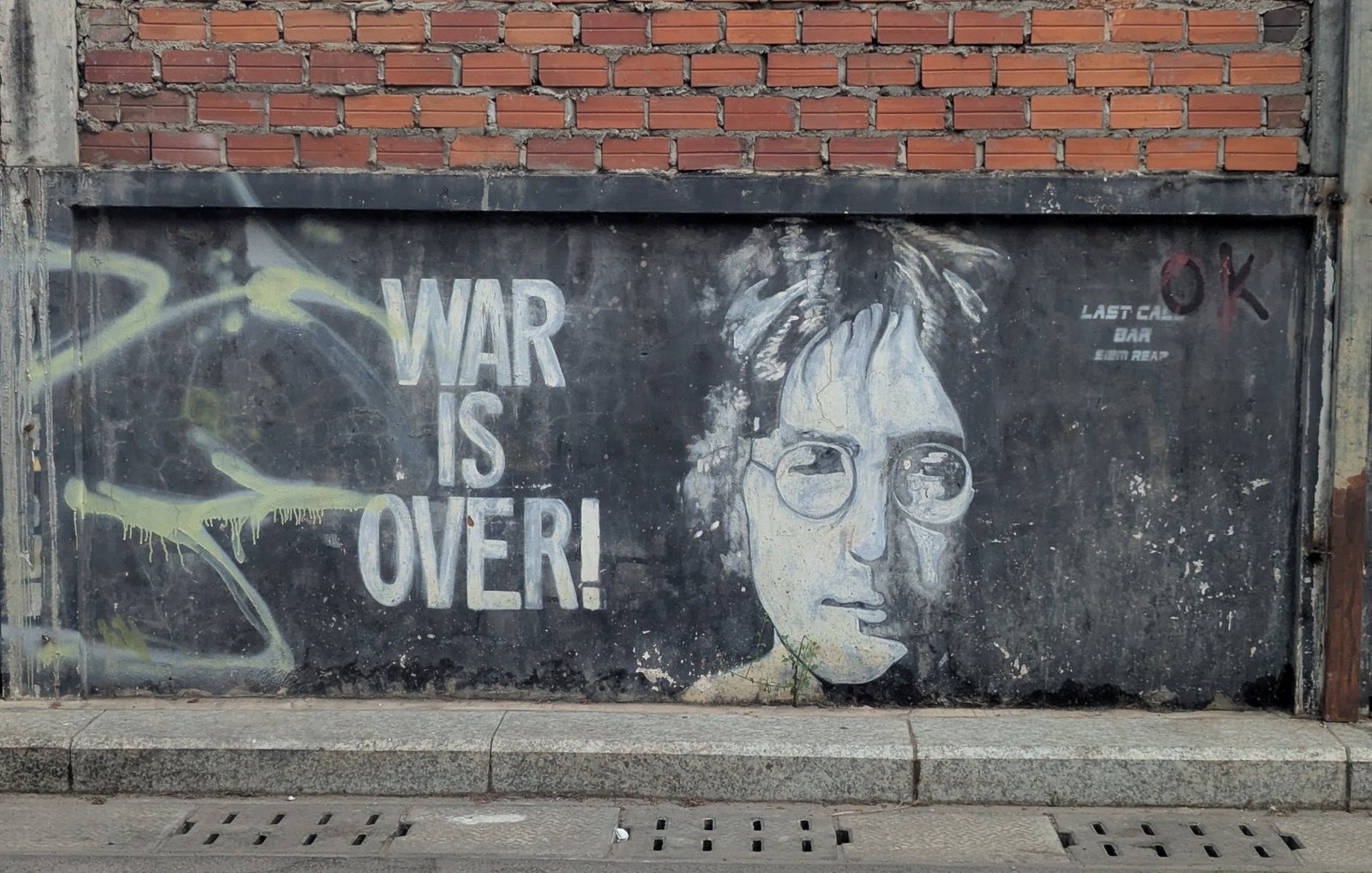
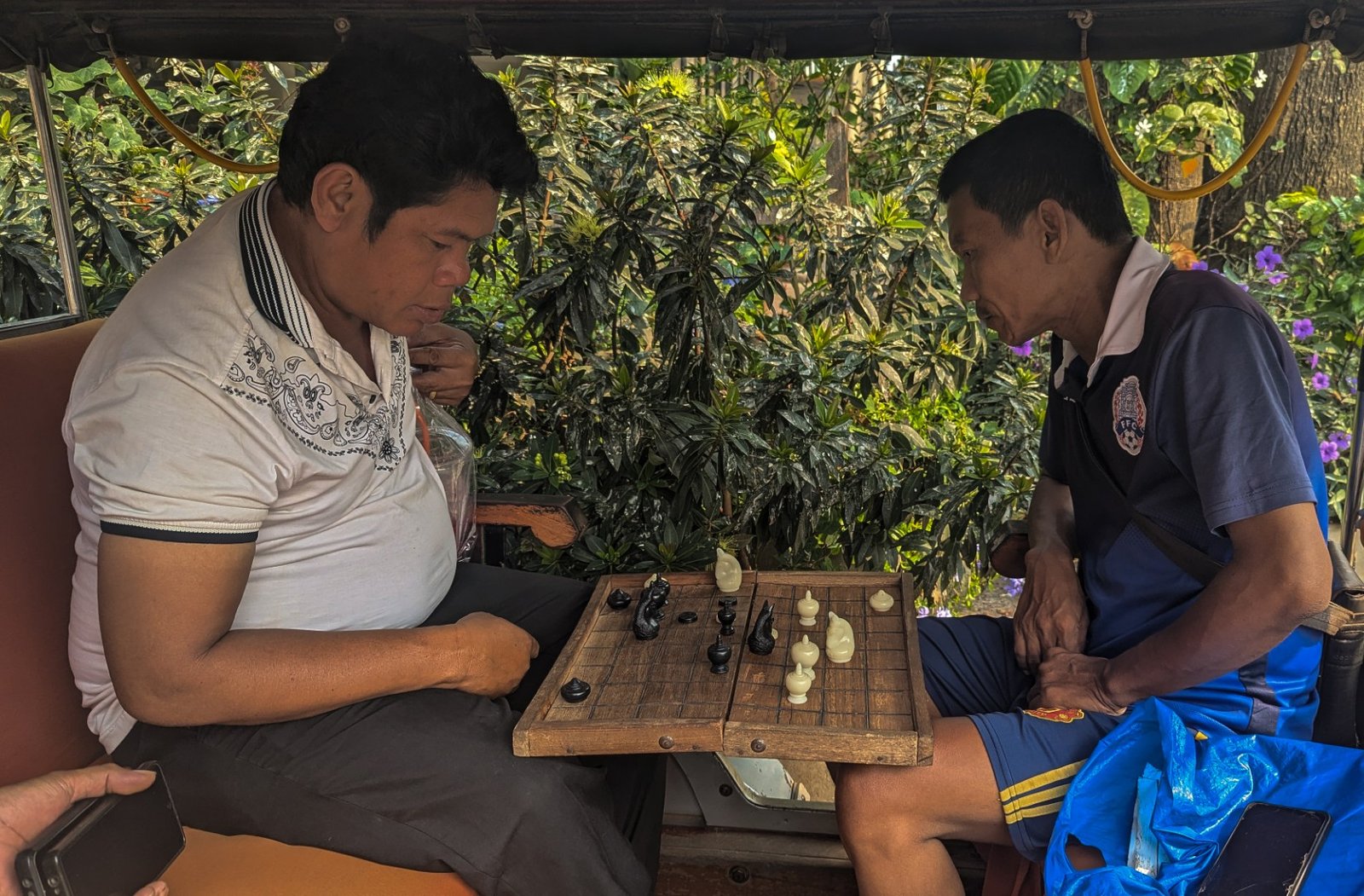
Siem Reap, Cambodia
Phone use and Tik Tok not nearly as common as in Vietnam.
Early morning sequence 23 Feb.
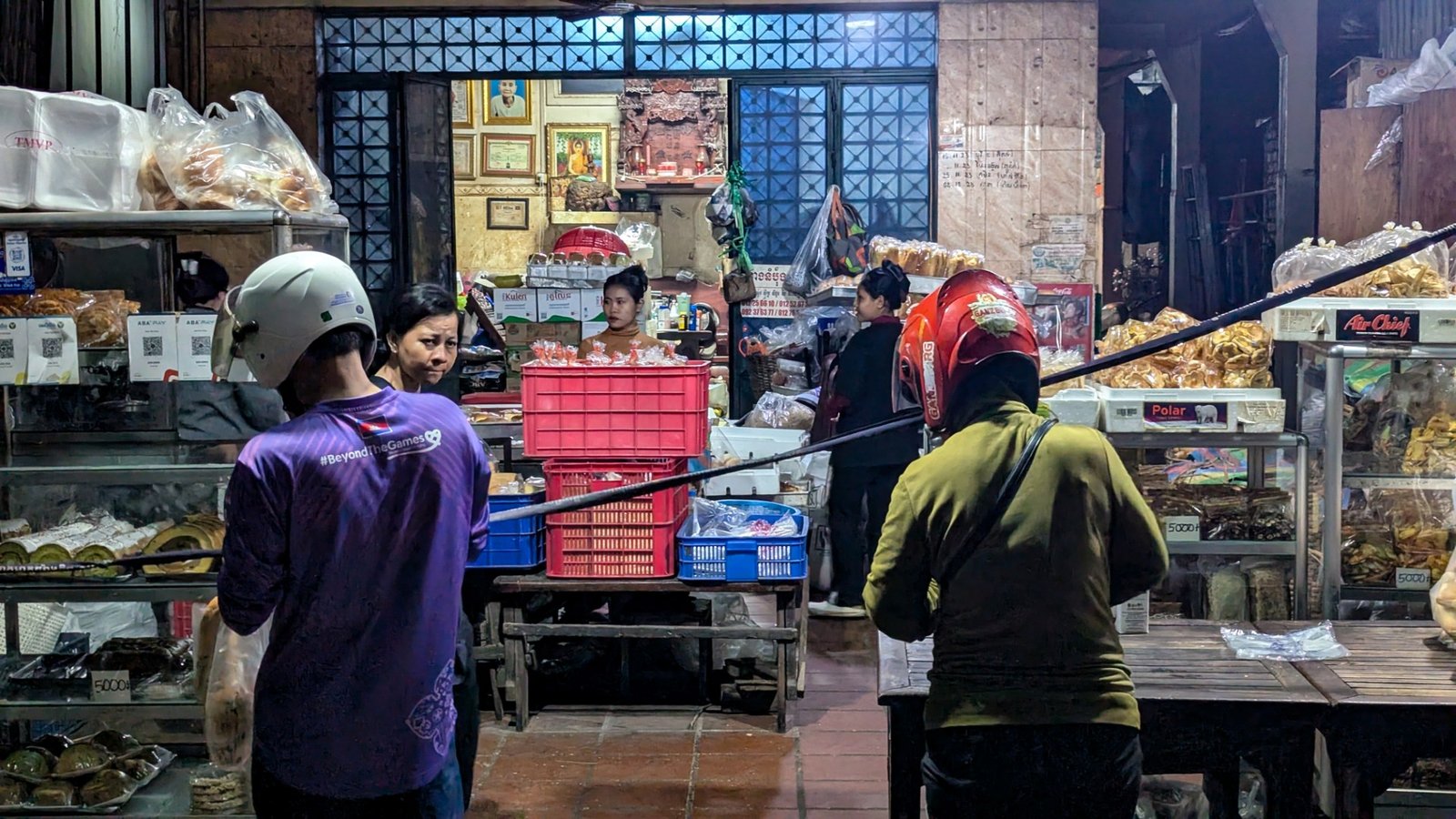
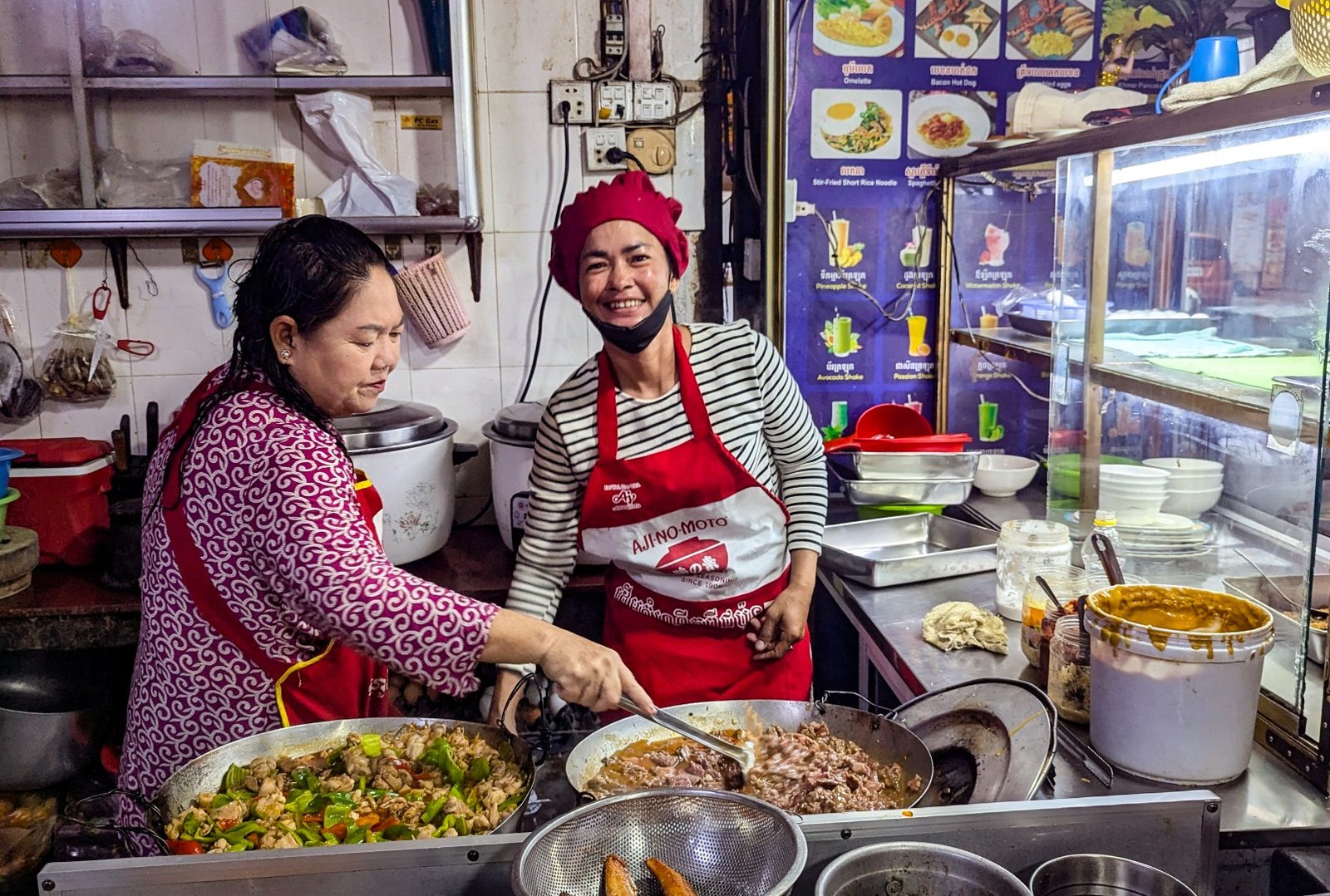
We are now more aware of issues of consent. Walker Evans hid his camera in his coat, and Paul Strand attached a fake lens to his machine. Street photography has the defence of being social documentary when attacked as intrusive or exploitative.

Cartier-Bresson wrote in a 1947 manifesto for Magnum, the photojournalist collective he helped found, of his ‘curiosity about what is going on in the world, a respect for what is going on and a desire to transcribe it visually.’ He was after candid ‘decisive moments and often concealed his camera.
I am a fan of the art of Vivian Maier, who has only recently become known. She took candid street photographs, primarily using a Rolleiflex twin-lens reflex (TLR) camera held at waist height, producing a square format. In her lifetime the enigmatic loner, who worked as a nanny, made an estimated 150,000 photographic exposures (not all developed) and hundreds of reels of silent movie footage, all for herself. Her work only came to light by chance after her death when her unpaid storage locker was bought unseen.
Ed van der Elsken’s photobook ‘Love on the Left Bank’ tracked bohemians through Paris in the mid-50s (when Maier moved to Chicago from New York). Hripsimé Visser, curator of photography at Amsterdam’s Stedelijk says, ‘Ed used to shape these situations in certain ways, in order to get these exact images. You could say that he was the director of the streets. He talked to people. Because he followed them for a while, he knew exactly when to capture the right moment.’
Diane Arbus made her best work in the 1960s. Like Maier she used twin-lens Rolleiflex, but often spent time getting to know her subjects, and asked permission (despite her oeuvre suggesting otherwise). On the other hand, Martin Parr, the English photographer who died recently (Dec. 2025), never asked permission, but never hid his camera, ‘moving on if the atmosphere became more aggressive’.[iii]
Contemporary ‘street photographers’ tend to be as interested in the aesthetics and composition of the image, for example, the Australian Julia Coddington.
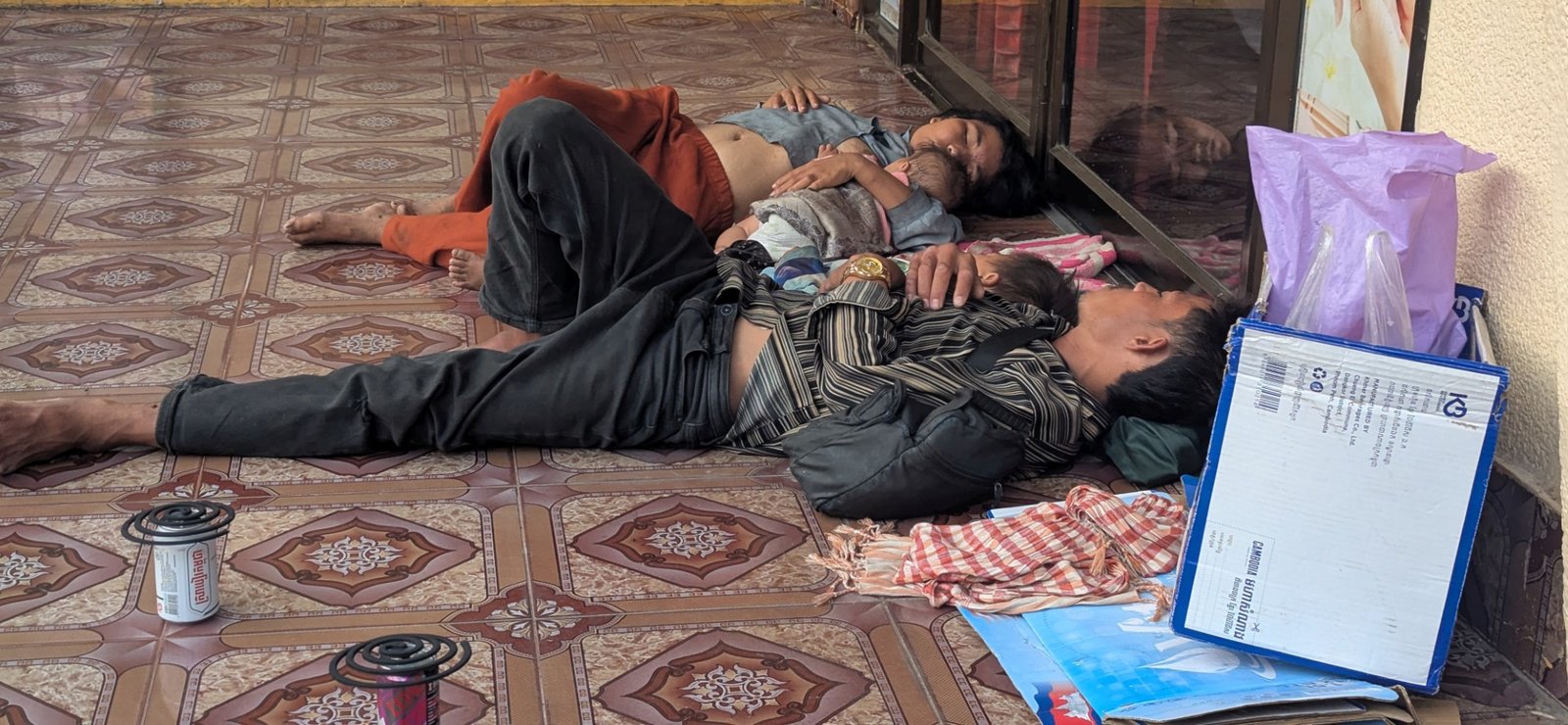
Khmer people were happy to be photographed, never once asked for money. These images are from one early morning in Siem Reap. I asked if I could take these images except for the sleeping family. The one image I wondered about. His face asleep in the reflection. They didn’t look like beggars, see his gold watch (fake) on his wrist, were well dressed if shoeless. And why are the mosquito coils unlit. So what was – IS – their story?
[i] Susan Sontag, On Photography, Penguin Books, 1979, p54.
[ii] Google AI Overview
[iii] Sara Rumens and Hattie Crisell, ‘Working with Martin Parr: ‘He would flatter, joke and never ask permission’, The Times, December 8, 2025.