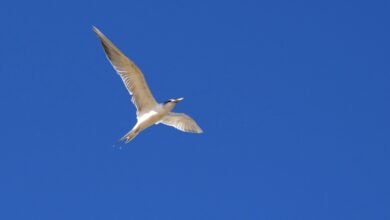
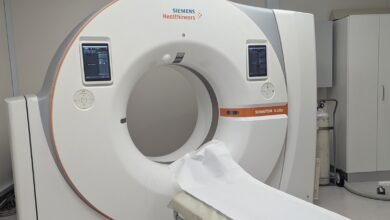
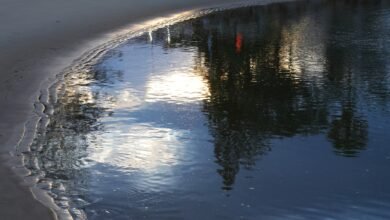
The Welsh word glas, described natural features like sea, grass, or leaves covering both blue and green. Welsh speakers now tend to use glas primarily for blue and borrow gwyrdd for green. My Great Aunt tried to teach me Welsh, but I only saw her every few years.
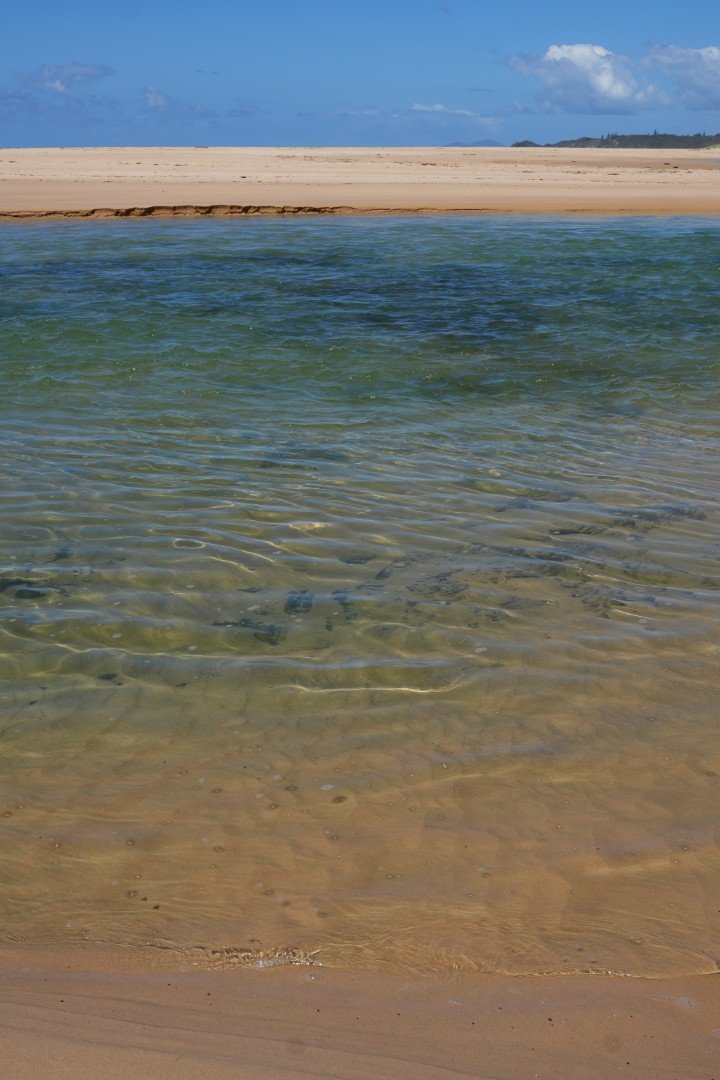
Gaze floats across transparencies through blues
and greens to the southern bank. Crested Terns
and Silver Gulls are loosely strewn along the beach.
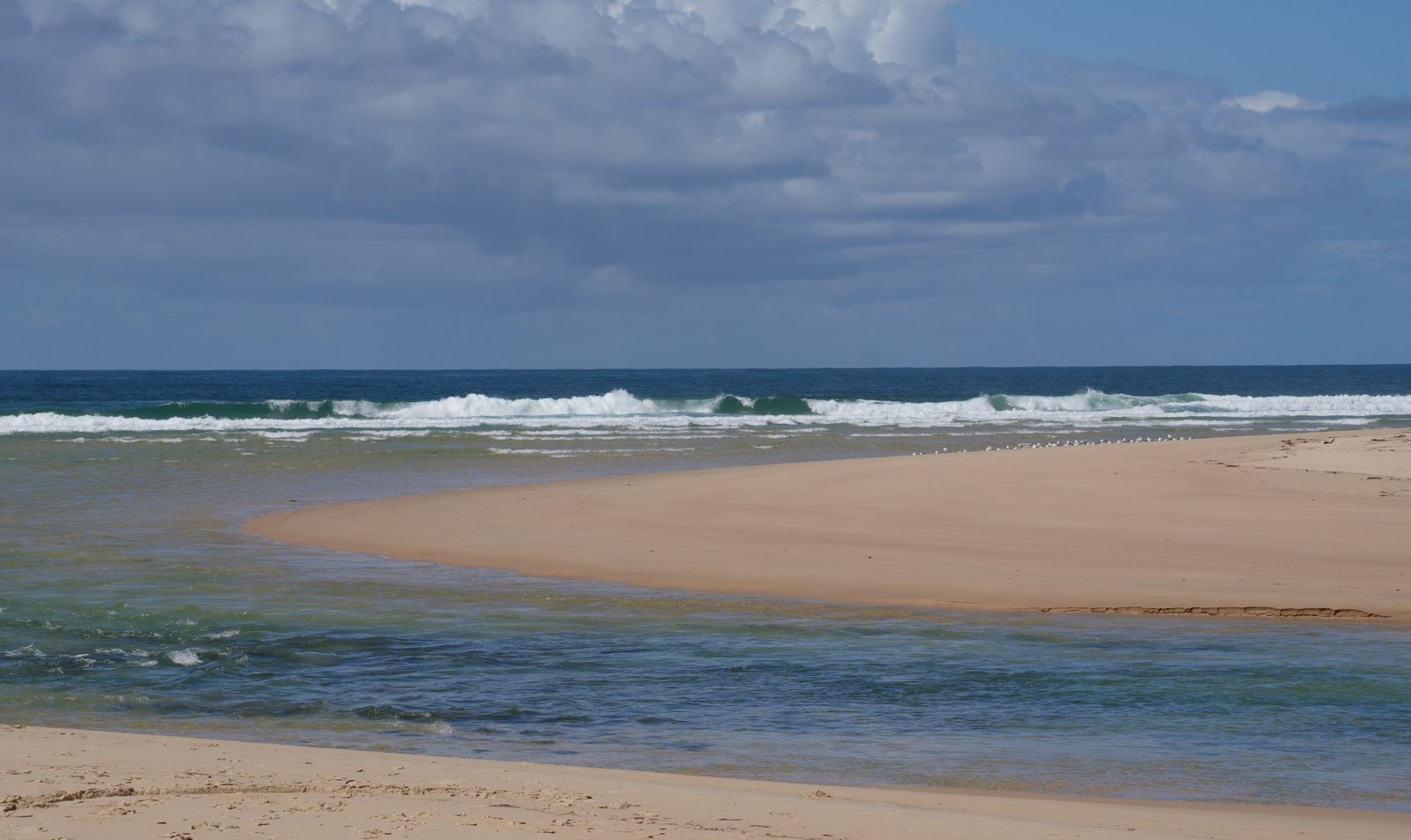
Sky blue, cornflower blue (like your eyes), cerulean. azure, turquoise, ultramarine, aquamarine, indigo, royal, Prussian, cobalt, navy, sapphire, cyan, beryl, teal.
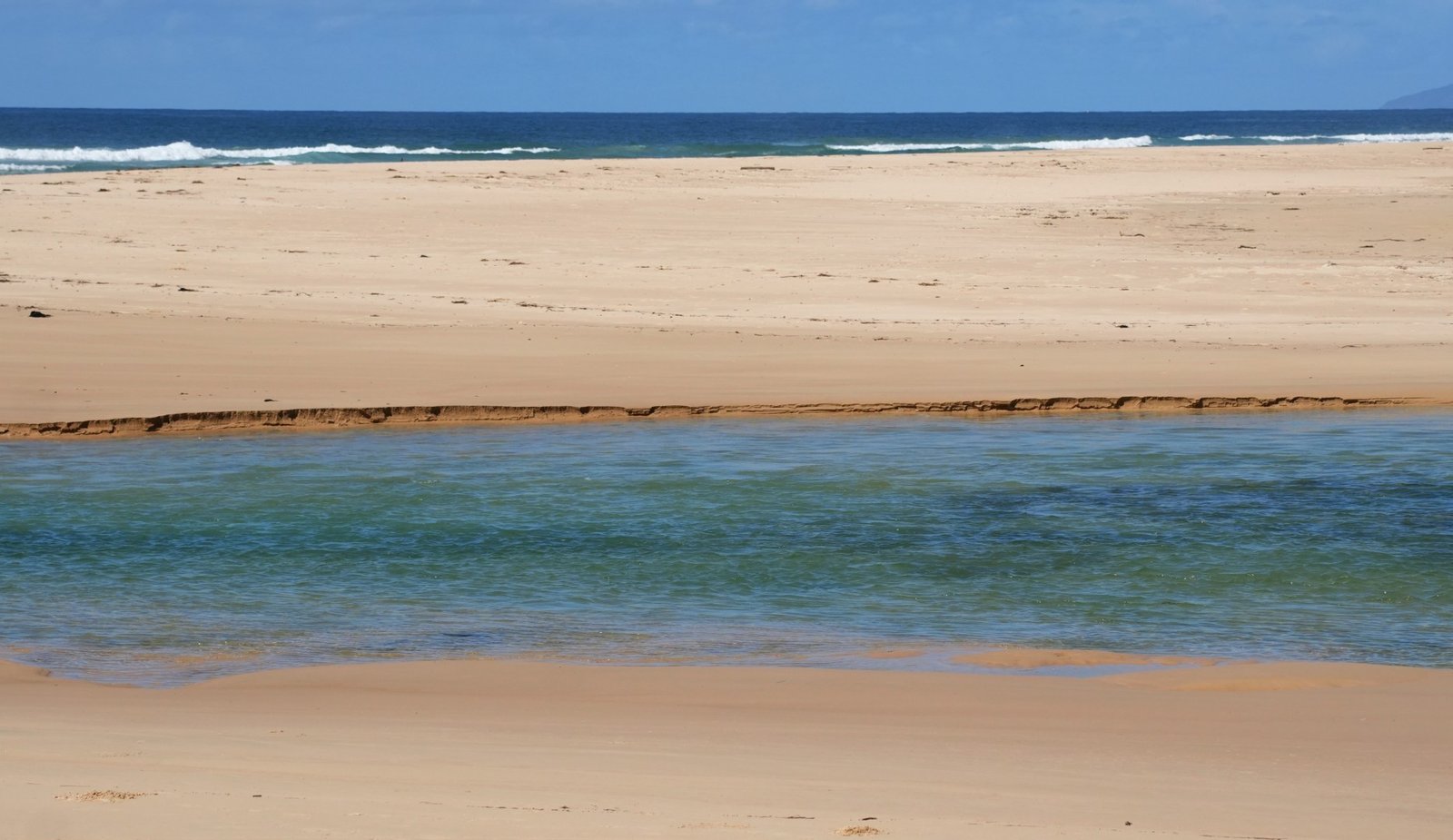
Webster’s Third New International Dictionary (1961) hired a special editor to manage colour names. They proposed defining three thousand colour, but faced many difficulties. During editing, the definition of ‘amethyst’, ‘blossomed from the short ‘dark purple’ to the fully fleshed out ‘a variable colour averaging moderate purple (which is) redder and duller than heliotrope (sense 1) or manganese violet, bluer and duller than cobalt violet, darker and slightly stronger than average lilac (sense 1)’.’
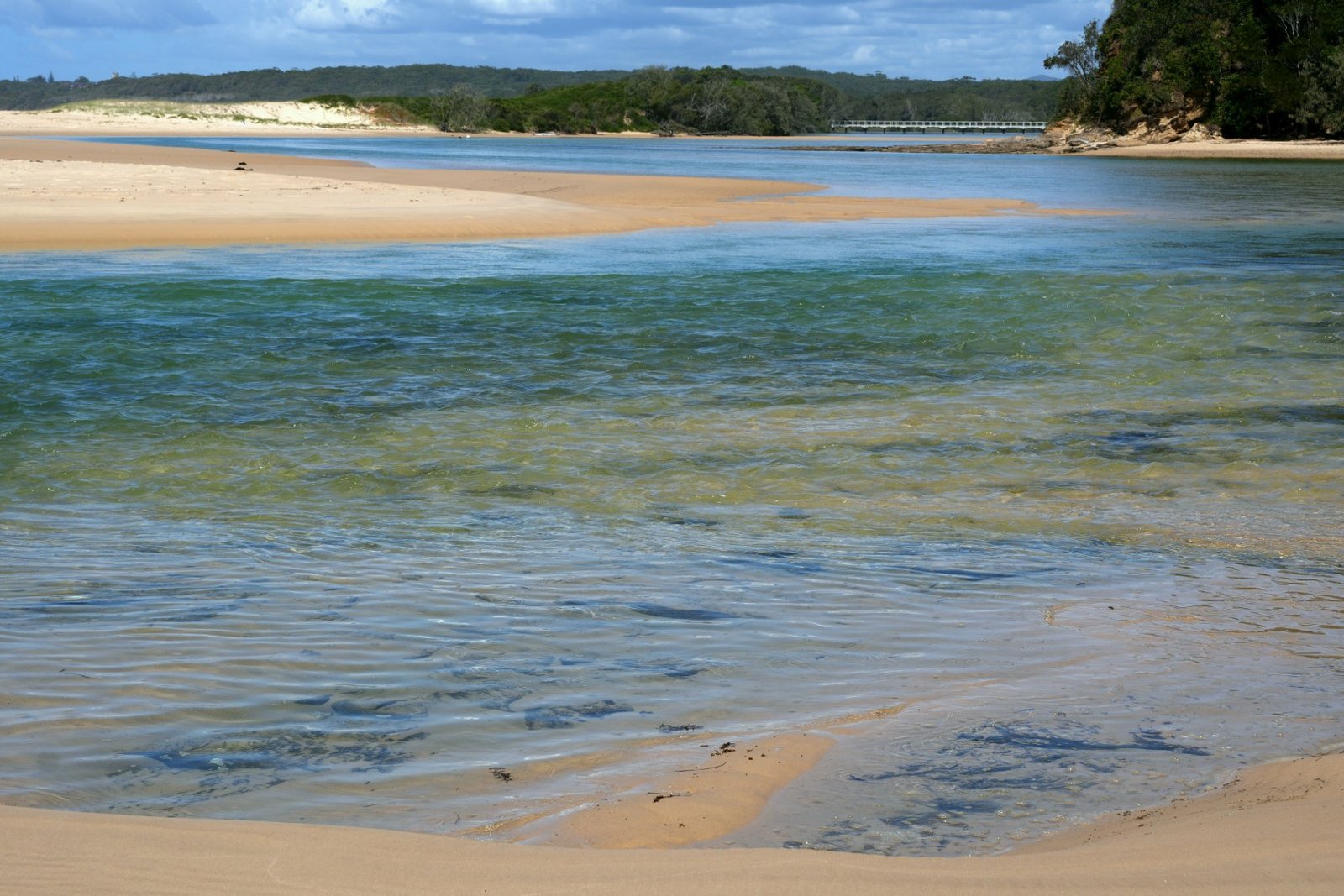
How many hues of blue are visible? Turner used Cobalt Blue, Prussian Blue, Synthetic Ultramarine and Indigo. He used Smalt and Blue Verditer early on.
Humans have been counting since the advent of numbers and making lists since the beginnings of language.
William Gass loves lists and began his exploration of the colour blue with pencils: ‘Blue pencils, blue noses, blue movies, laws, blue legs and stockings, the language of birds, bees and flowers as sung by longshoremen, that lead-like look the skin has when affected by cold, contusion, sickness, fear; the rotten rum or gin they call blue ruin and the blue devils of its delirium . . .
Russian cats and oysters, a withheld of imprisoned breath, the blue they say that diamonds have, deep holes in the ocean and the blazers which English athletes earn that gentlemen may wear . . . the shaded slopes of clouds and mountains, and so the constantly increasing absentness of Heaven . . .’
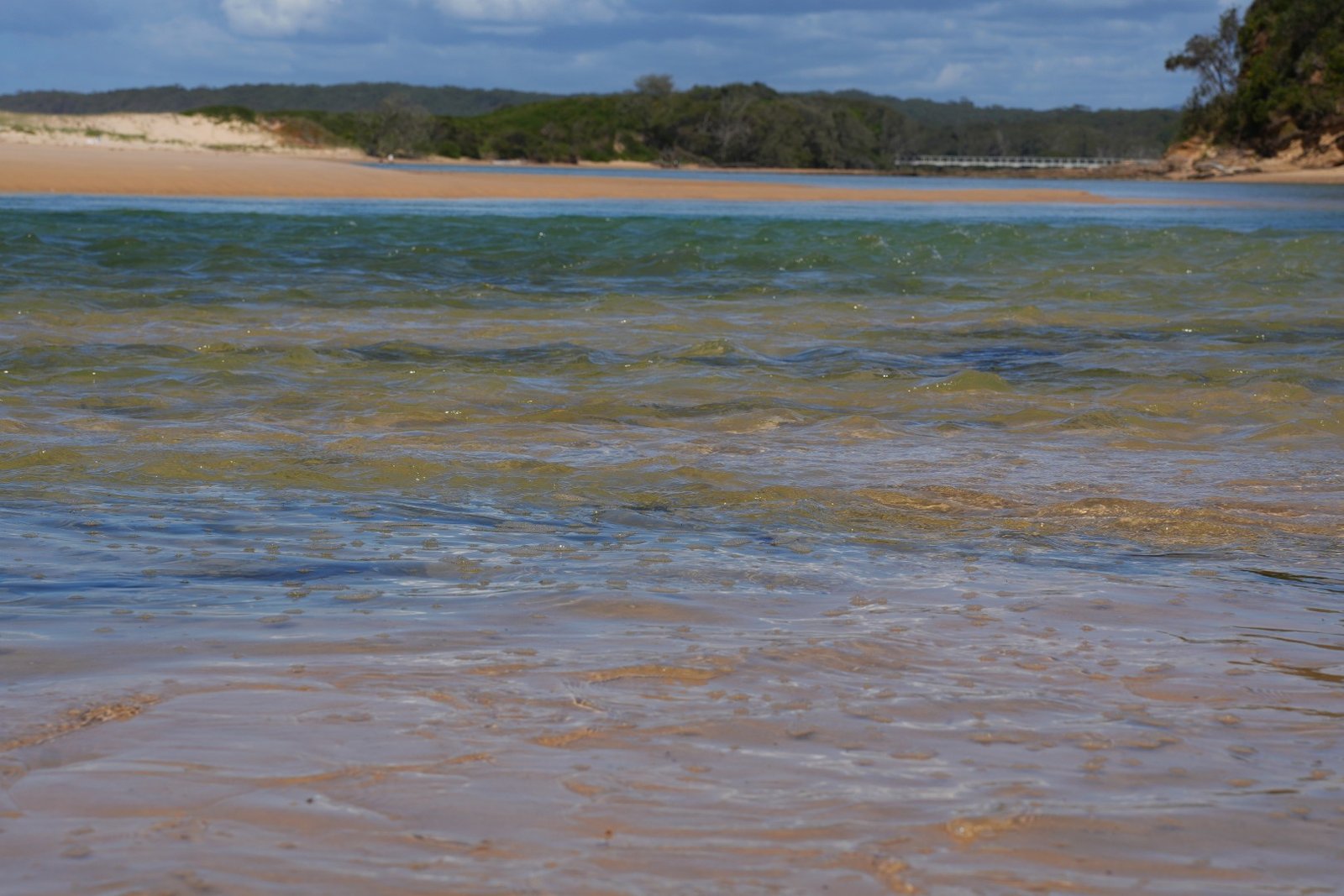
How many greens are pouring out? How much is hidden?
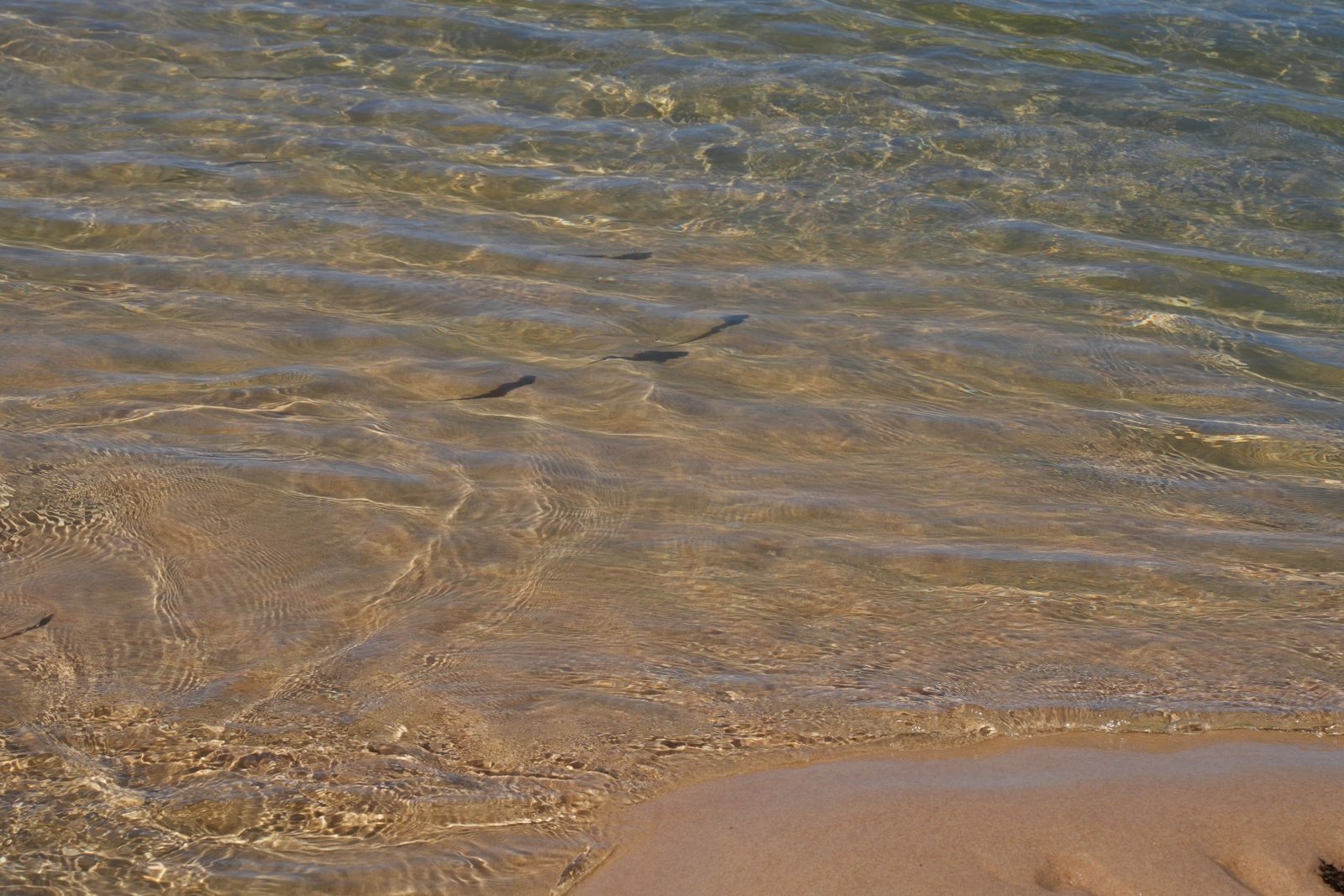
How many fish can you see (Turner’s portholes in Portsmouth)?
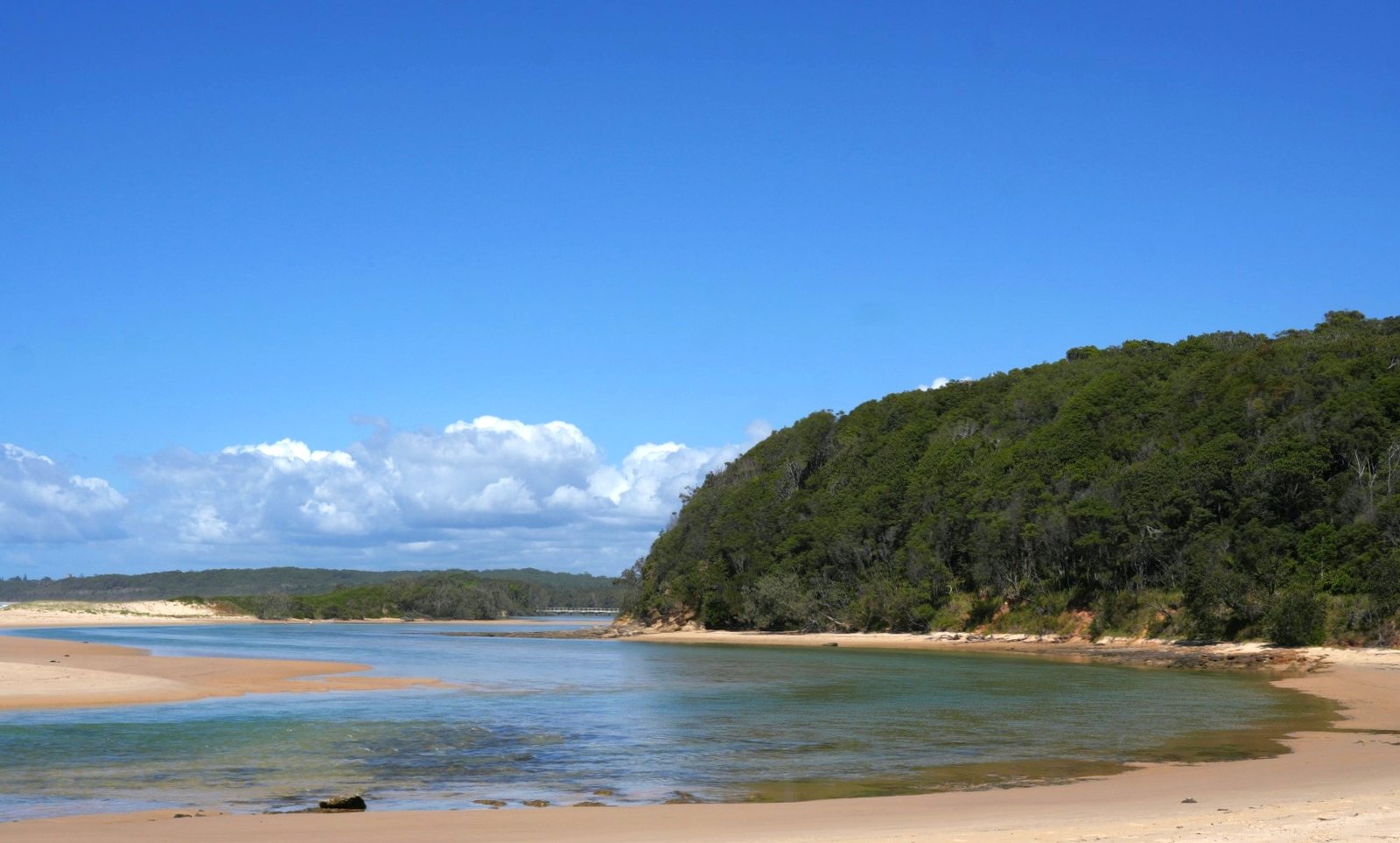
The estuary exudes a false sense of timelessness.
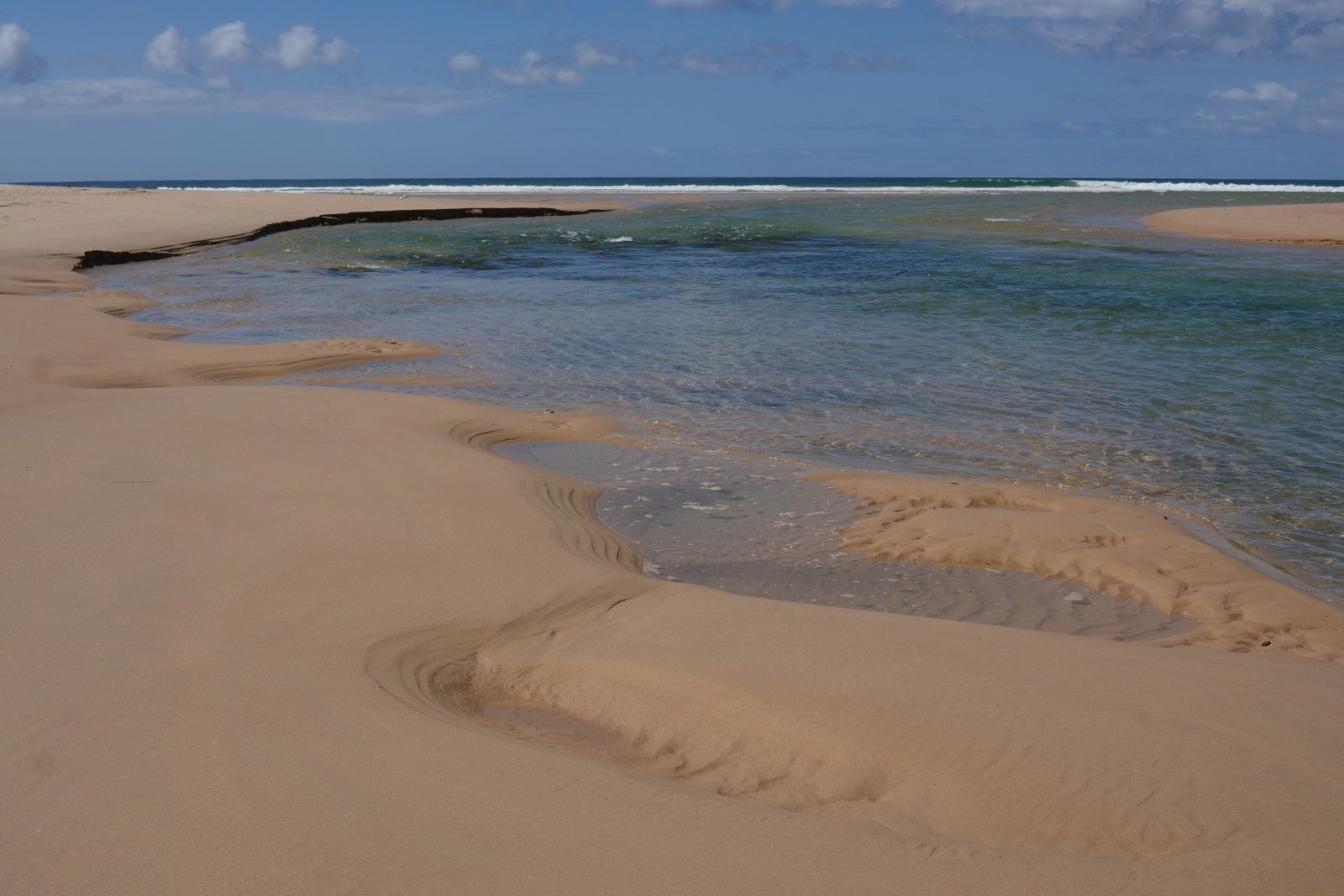
The river sculpts its banks twice a day, and never repeats itself.
‘Webster’s . . .’ Kory Stamper, True Color: The Strange and Spectacular Quest to Define Color–from Azure to Zinc Pink, Knopf, 2026.
William Gass, opening to On Being Blue: A Philosophical Inquiry, D. R. Godine, 1975.