‘People speak sometimes about the ‘bestial’ cruelty of man, but that is terribly unjust and
offensive to beasts, no animal could ever be so cruel as a man, so artfully, so artistically
cruel.’ Fyodor Dostoyevsky, The Brothers Karamazov.
I had no intention of writing about the place of horrors, but I thinkl we need to b reminded of the extent delusional crueltry can go.
A school
Five blocks of a school surrounding a grassy courtyard in the heart of the capital were
wrenched into a monument of pain. S-21 is now the Tuol Sleng Genocide Museum and
world famous, but it was a secret. The prison’s existence was known only to those who
worked or were imprisoned there, and to a handful of high-ranking cadres, known as the
Party Centre.
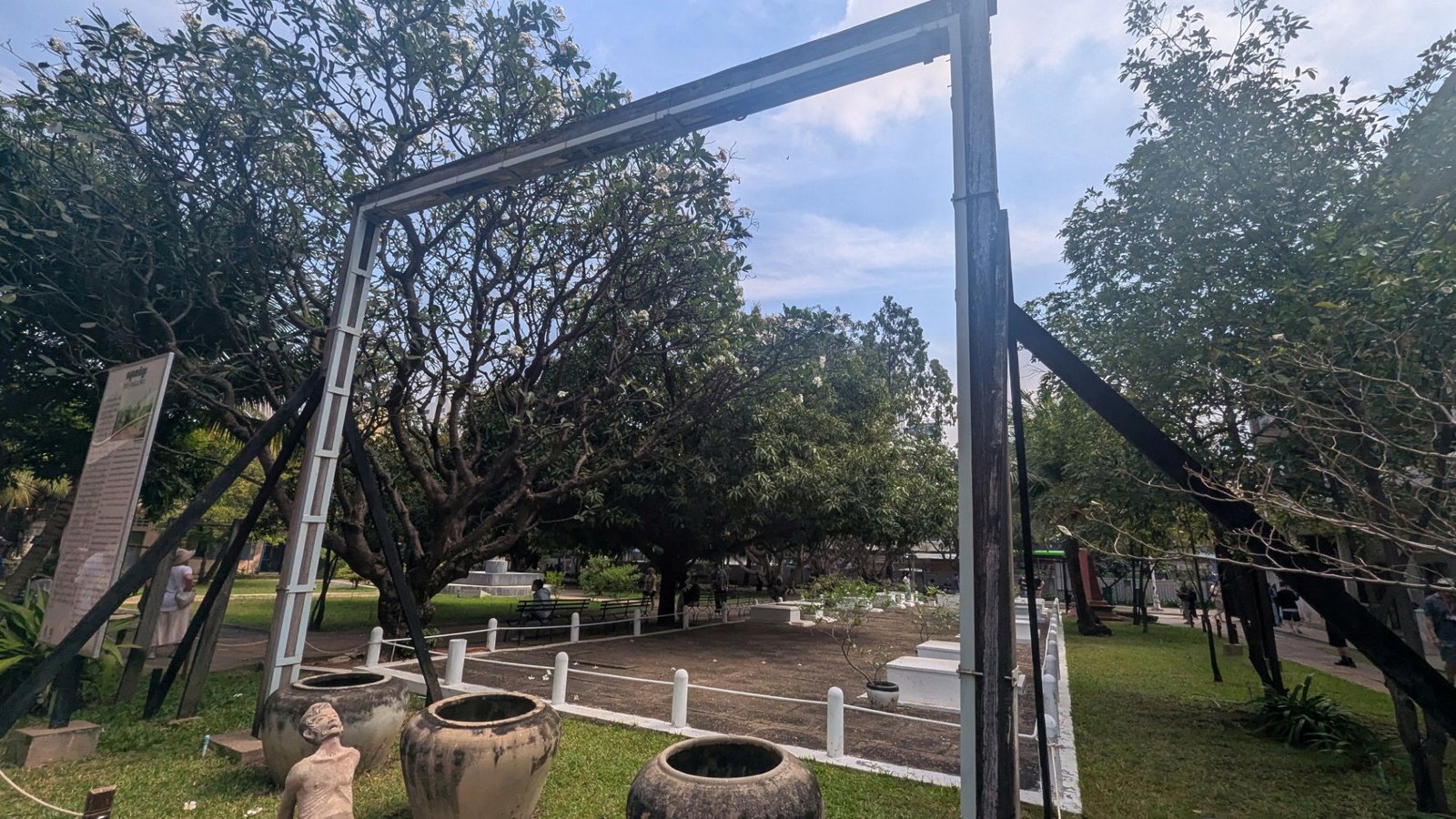
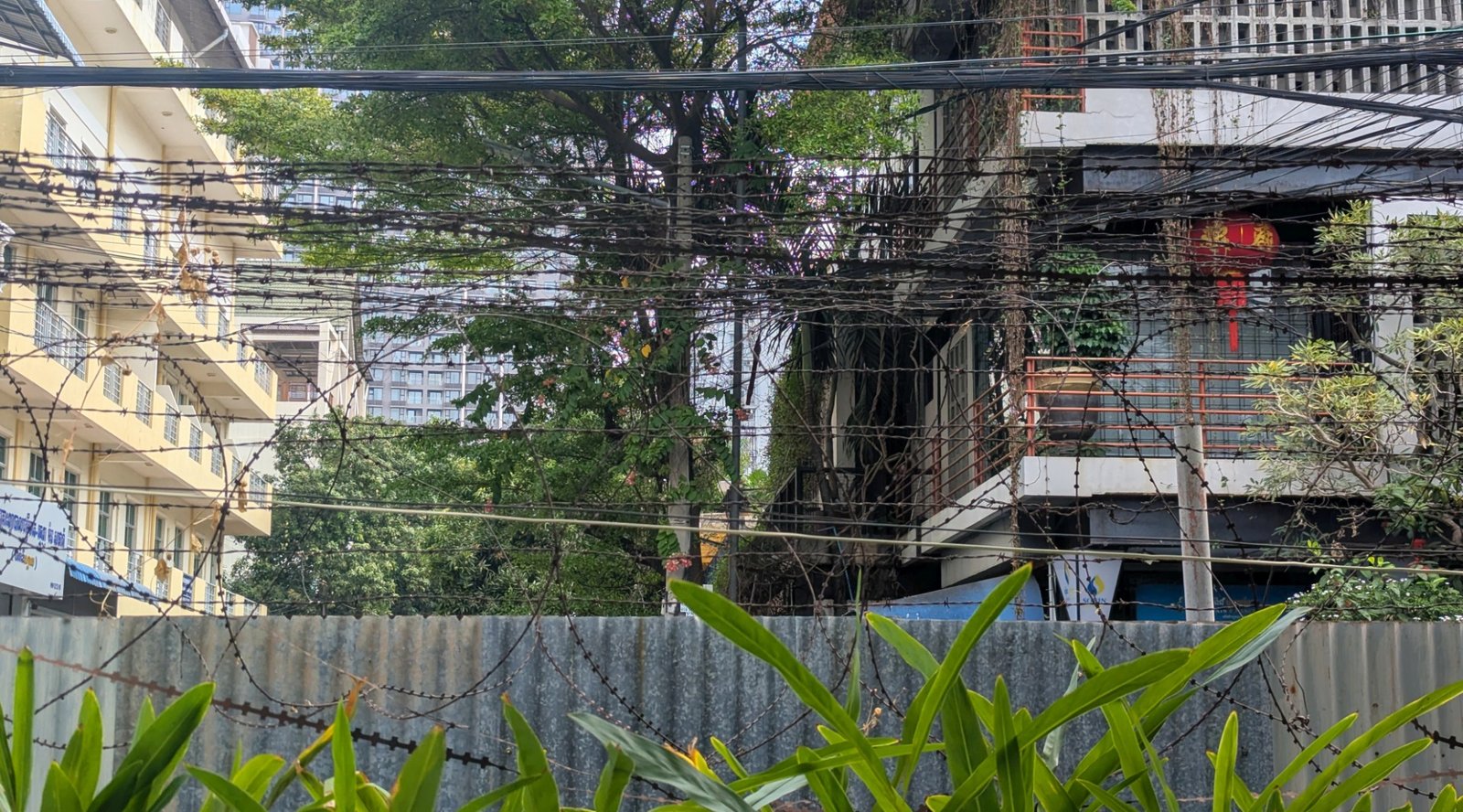
Tuol Svay Pray High School front gates
2 Dead men
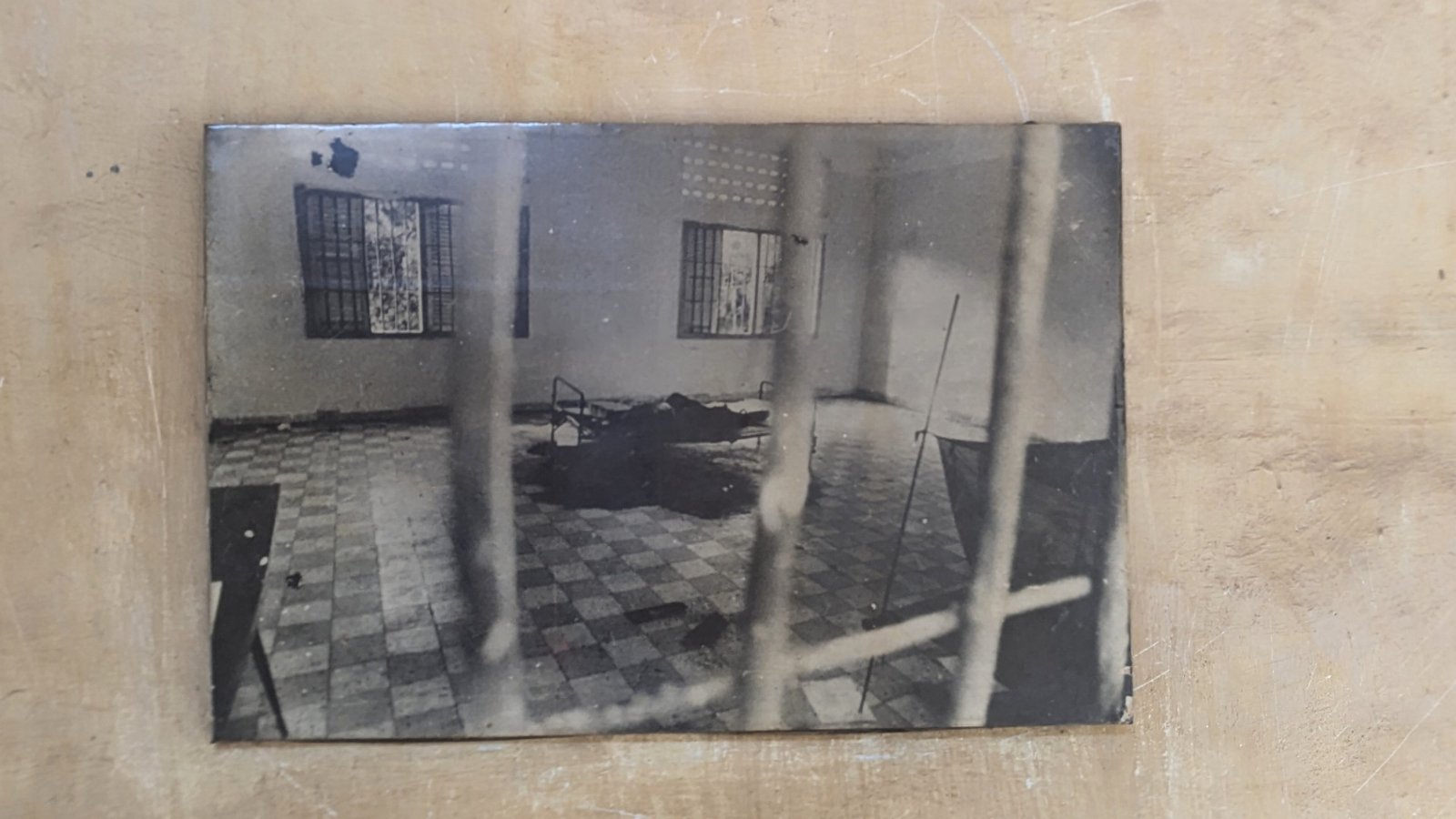
7th January 1979. Hồ Văn Tây and Dinh Phong, Vietnamese combat photographers, arrived
in Phnom Penh with the Vietnamese army, hours after the Khmer Rouge had fled leaving a
deserted city. They smelt a stench and followed it to a school. Above the entrance hung a
sign: ‘Fortify the Spirit of the Revolution!’ They were at the gates of Tuol Sleng (S-21).
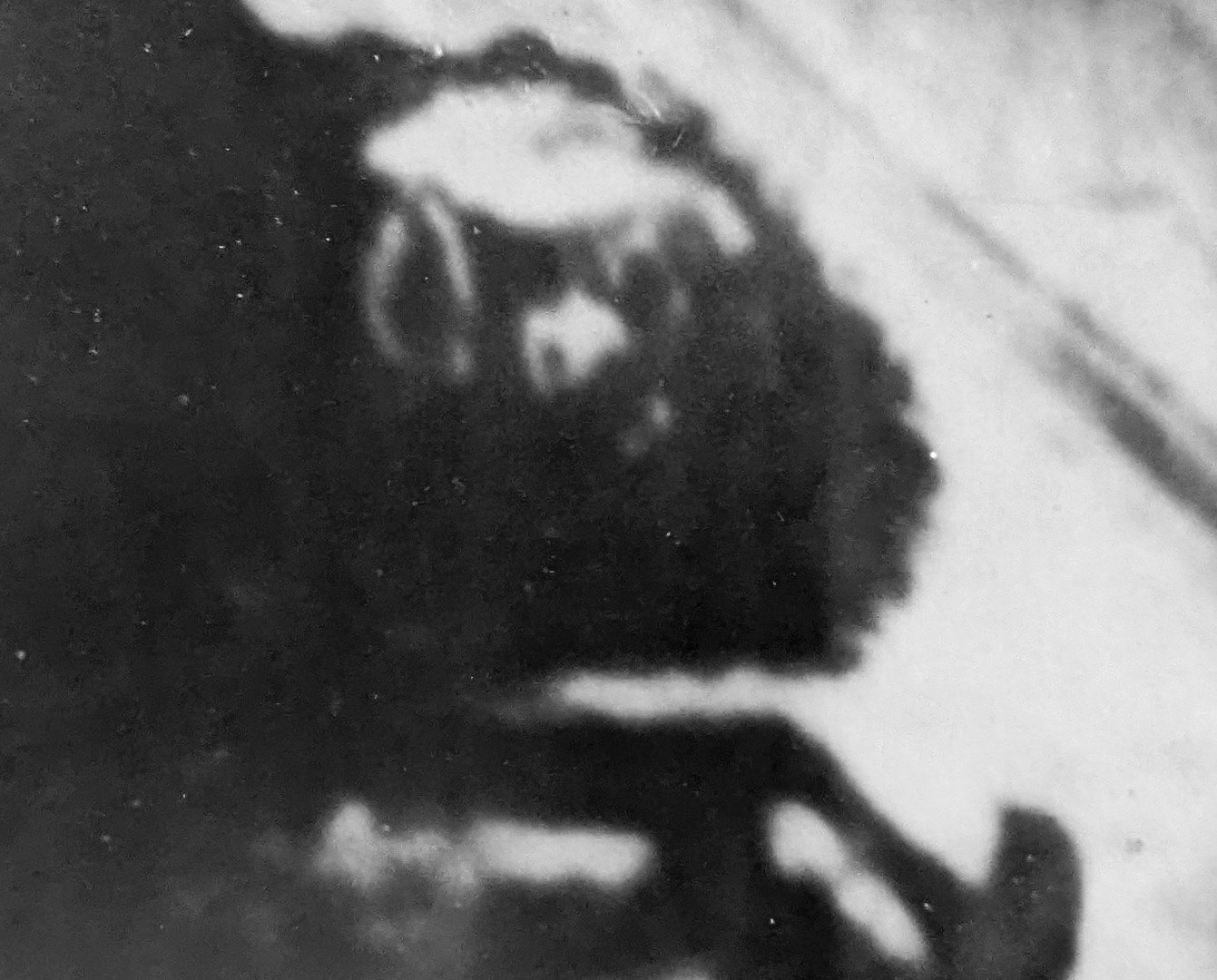
Peering through windows, they saw 14 corpses in varying stages of decomposition were
chained to iron bedsteads, some with their blood still wet. They also found a few survivors,
including two young boys.
Over the next few days, the Vietnamese and Cambodian assistants discovered in nearby
houses thousands of documents in Khmer, thousands of identity photographs and
undeveloped negatives, hundreds of cadre notebooks, and stacks of DK publications.
Some typed or handwritten confessions were hundreds of pages long.
13 Why
Tuol Sleng was known as konlaenh choul min dael chenh: the place where people go in but
never come out. Its purpose was to detain, torture, and extract confessions from perceived
enemies, including intellectuals, elite party members and their families.
At the Tuol Sleng Genocide Museum, 97 definitive Khmer Rouge execution lists were
evaluated to document the murders of 6,285 individuals. The majority (82%) were male, the
minimum age was 11, the maximum 77, and the average age was 29,
Prisoners were subjected to torture until they confessed to being a CIA, KGB, or Vietnamese
agent, often inventing surreal stories and being forced to implicate others, and then were
executed at the Choeung Ek killing fields
For the first year of S-21’s existence, corpses were buried near the prison. However, by the
end of 1976, cadres ran out of burial spaces, and the prisoner and family members were
taken to the Boeung Choeung Ek (‘Crow’s Feet Pond’) – ‘The Killing Fields’. 4
271 Haunted
‘Who is worthy of being portrayed? . . . Who is worthy of having their image survive their
death?’ David Levi Strauss2
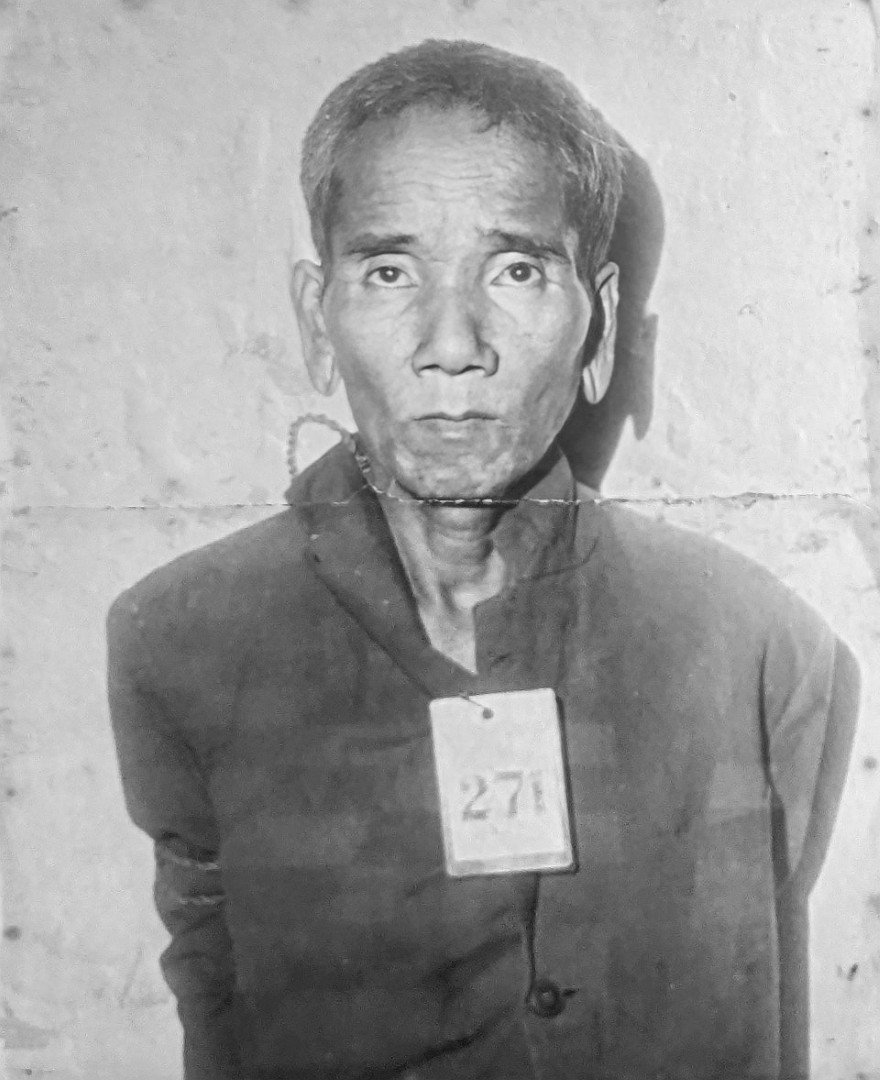
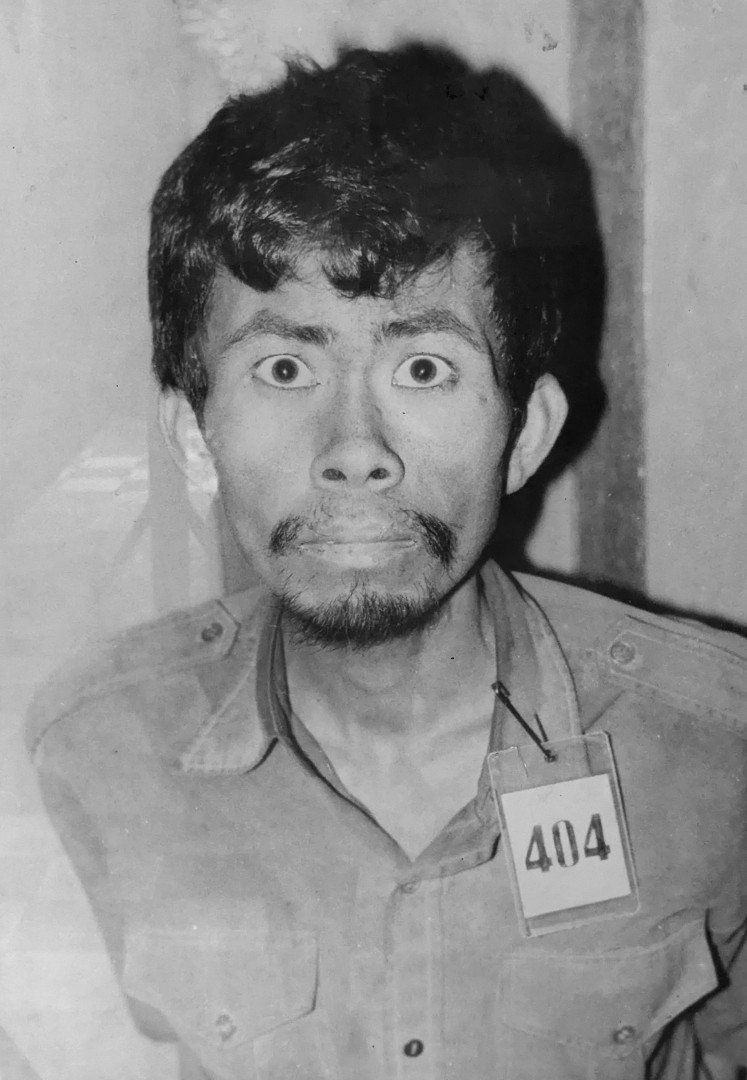
‘When the Khmer Rouge photographers took off their blindfolds, the first thing the victims
saw was the camera and sometimes the flash of the flashbulb. That is the first act of the
killing. From that moment on they were only numbers.’ Rithy Panh, a Cambodian
documentary filmmaker. 3
Photographs are physical encounters, unlike words on a page or in the ear. Photographs are
not translatable into language are so indeterminate they nearly all need a caption.
Photograph often trail other moments, past and future, we don’t know their pasts (except in
a few cases) but know their future, yet I find these images lodged in the everlasting now. 5
In Camera Lucida (1980), Roland Barthes meditates on a photograph of his dead mother
which he doesn’t reproduce. Barthes described the photograph as ‘the living image of a
dead thing.’ He does show Lewis Payne (or Powell) shackled in his prison cell (1865 by
Alexander Gardner). He about 21st birthday in April 1865, three months before he was
hanged for the attempted assassination of U.S. Secretary of State. 4 Payne was a former
Confederate prisoner of war. Tall and strong, he was recruited to provide the muscle for the
plot.
Barthes identifies in this image the punctum (the wounding, personal detail) of the image
not in the chains, but in the realization of his future – ‘he is going to die’. I have never
thought the studium punctum dichotomy very useful.5 Payne looks relaxed in the couple of
images I have seen, nothing like the S-21 archive.
‘Narratives can make us understand. Photographs do something else: they haunt us.’ Susan
Sontag 6
David Chandler writes: ‘In the museum, the eyes of the mounted mug shots, and especially
those of the women and children, seem to follow me. Knowing as we do, and as they did
not, that every one of them was facing death when the photographs were taken gives the
photos an unnerving quality that is more affecting, for me at least, than the photographs of
dead prisoners or the grisly portrayals of torture painted after 1979 by the S-21 survivor,
Vann Nath, that are also included in the display.’ 7
No mention of ghosts because the dead are still here in the archives. 6
No name, no number
After being photographed, they were forced to strip to their underwear, and their
possessions were confiscated. The prisoners were then taken to their cells. Those taken to
the smaller cells were shackled to the walls or the concrete floor. Those held in the large
mass cells were shackled to iron bars. The shackles were fixed to alternating bars; the
prisoners slept with their heads in opposite directions. They slept on the floor without mats,
mosquito nets, or blankets. They were forbidden to talk to each other.
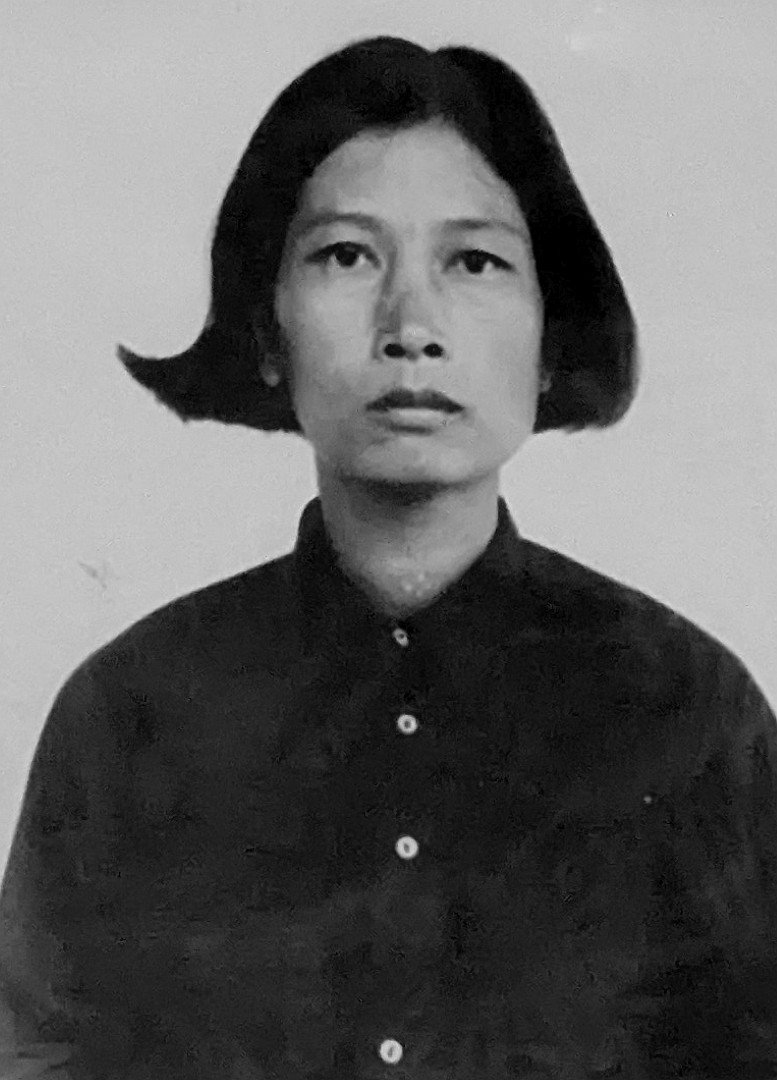
The day began in the prison at 4:30 am (or 5- different sources) when prisoners were
ordered to strip for inspection. The guards checked to see if the shackles were loose or if
the prisoners had hidden objects they could use to commit suicide. Then they had to
somehow perform calisthenics, while still being shackled from the floor.
The prisoners received four small spoonfuls of rice porridge and a watery soup of leaves
twice a day. Pain choked them then they starved and grabbed whatever insects flew or
crawled into their cells.
Departure was in days for most, months for important guests until their shadows faded.
Can you discern any hint of a celebration of presence. Each person existed, had a life lived,
a are thin. Can that be celebrated since we know finitude is absolute? 7
5 What’s in a name?
From a baby crying and shitting himself to a prisoner crying and shitting himself. Blood,
vomit, urine, faeces, they all come into play.
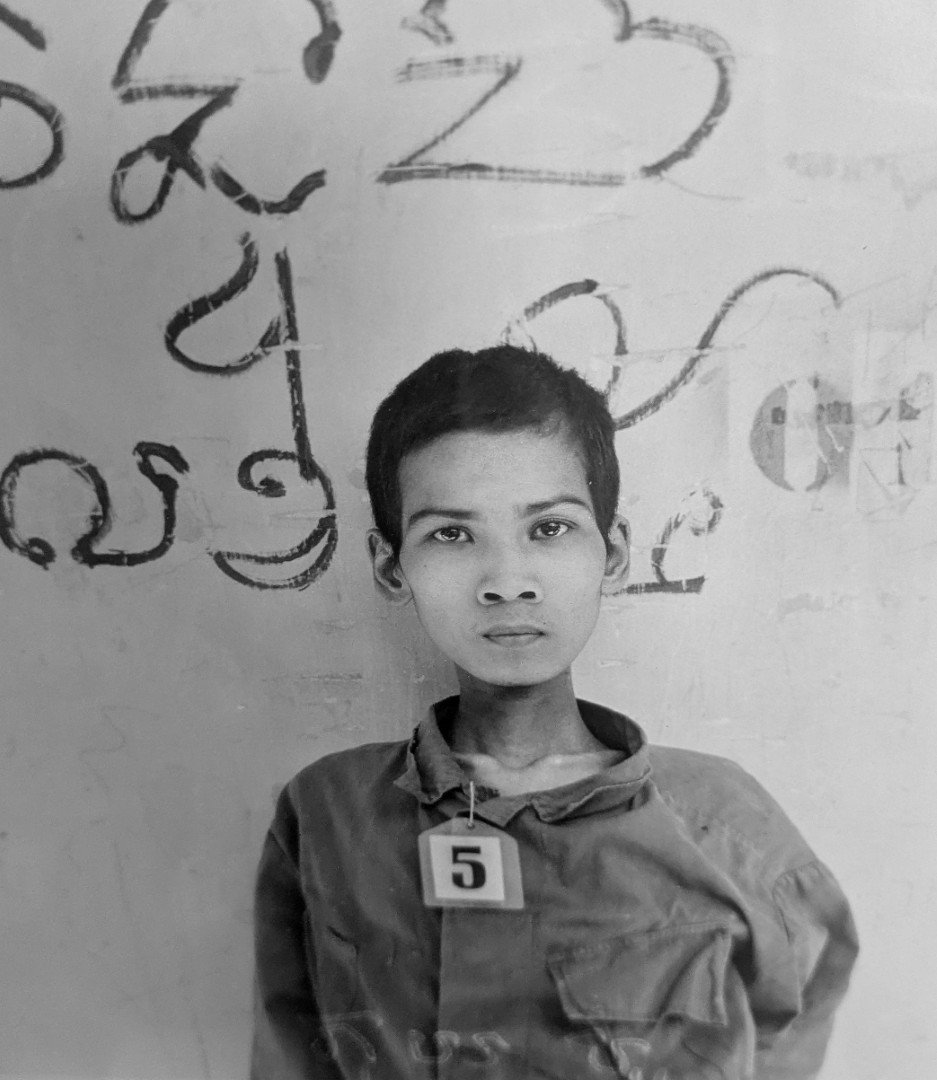
Phuy Bophan is listed as a prisoner Number 7 in the files.
He looks intelligent, or is that imagination? What has happened to his left arm? How to
recover his identity, even with a name? Place of birth, family details, school reports, DNA
etc. etc. What happened is that he is no longer an ordinary person.
We all have secrets. Diane Arbus wrote, ‘A photograph is a secret about a secret. The more it
tells you the less you know.’8
751 The smile
I find one smile and wonder why.
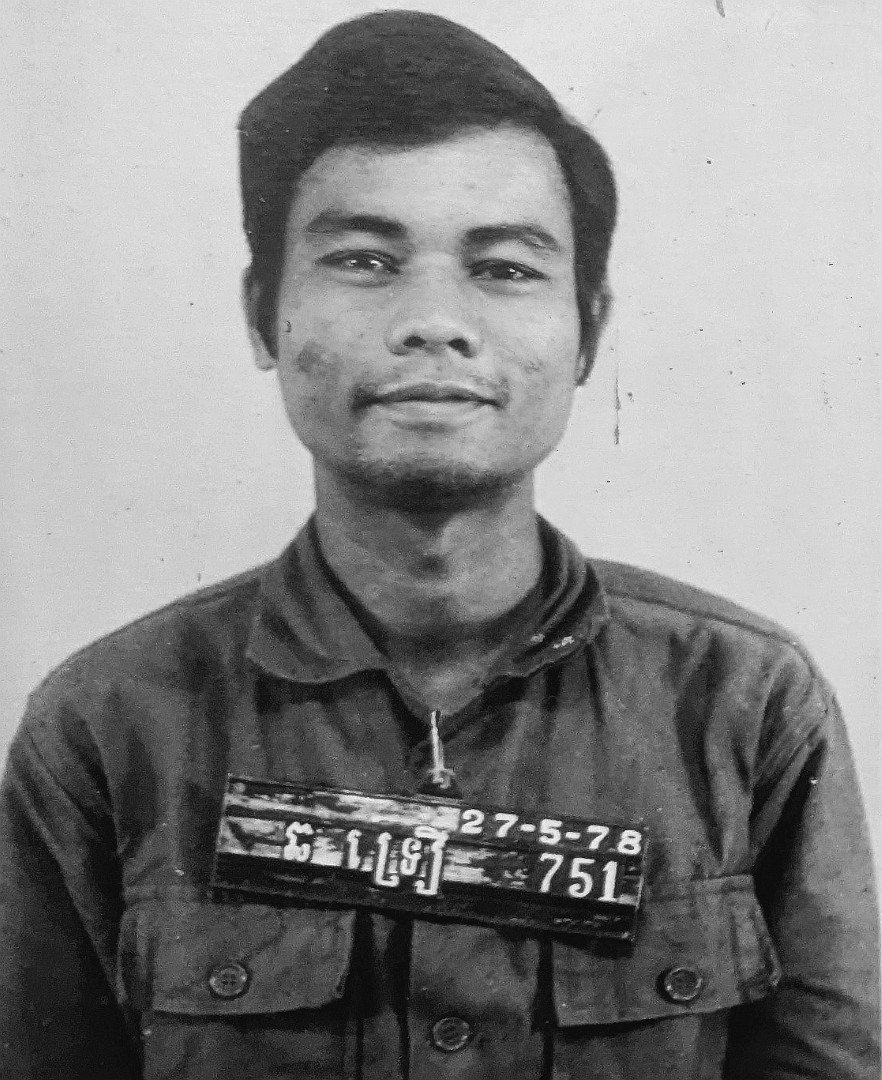
Are there any similarities with Leonardo da Vinci’s portrait (circa 1505) of Lisa Gherardini,
the wife of Florentine silk merchant Francesco del Giocondo, Florence.
‘Matt Loughrey, an Irish artist who runs a business colorizing old photographs, recently
colorized versions of the same portraits found in the prison. In some cases, he altered the
images to put smiles on the victims’ faces. In an interview with Mr. Loughrey published last
Friday, Vice Media said the colorization was intended to ‘humanize the tragedy’.’9 These
doctored images caused an uproar, and Vice removed the article and images.
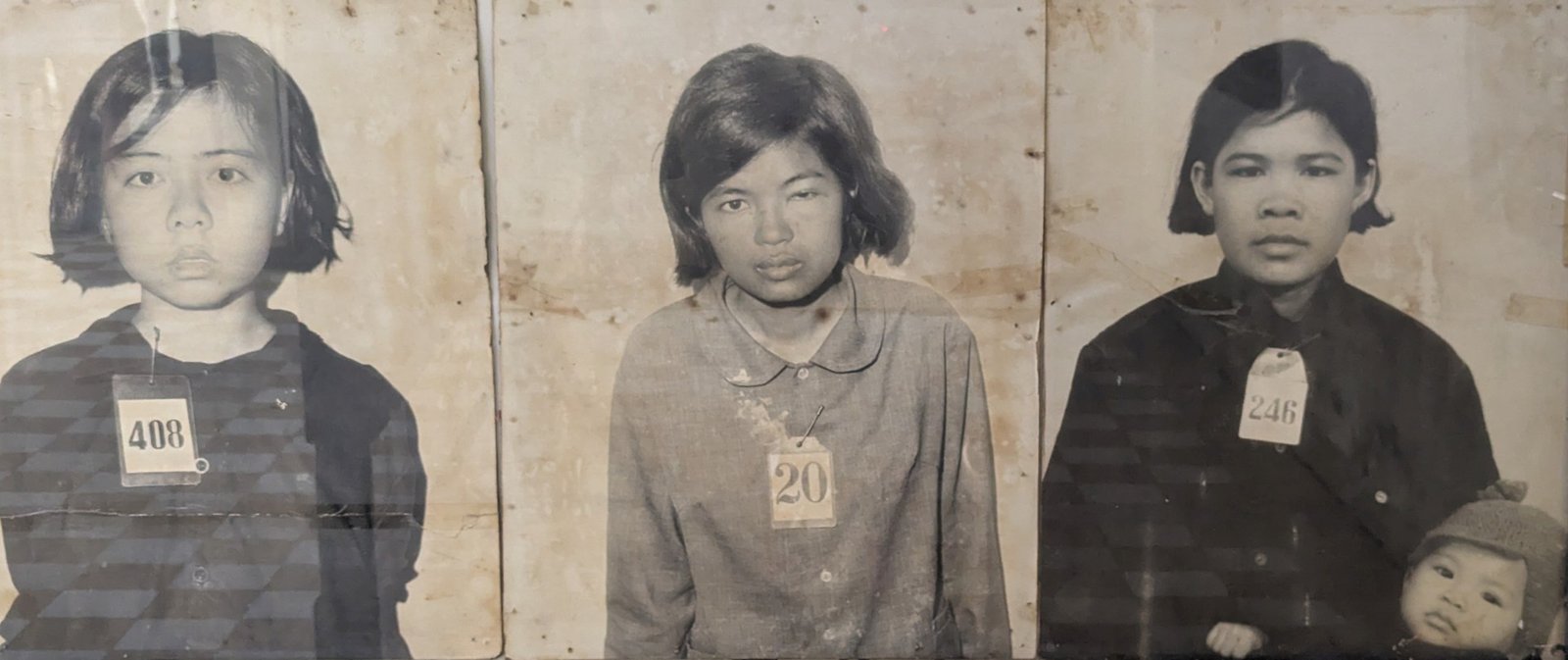
396 Mother and child
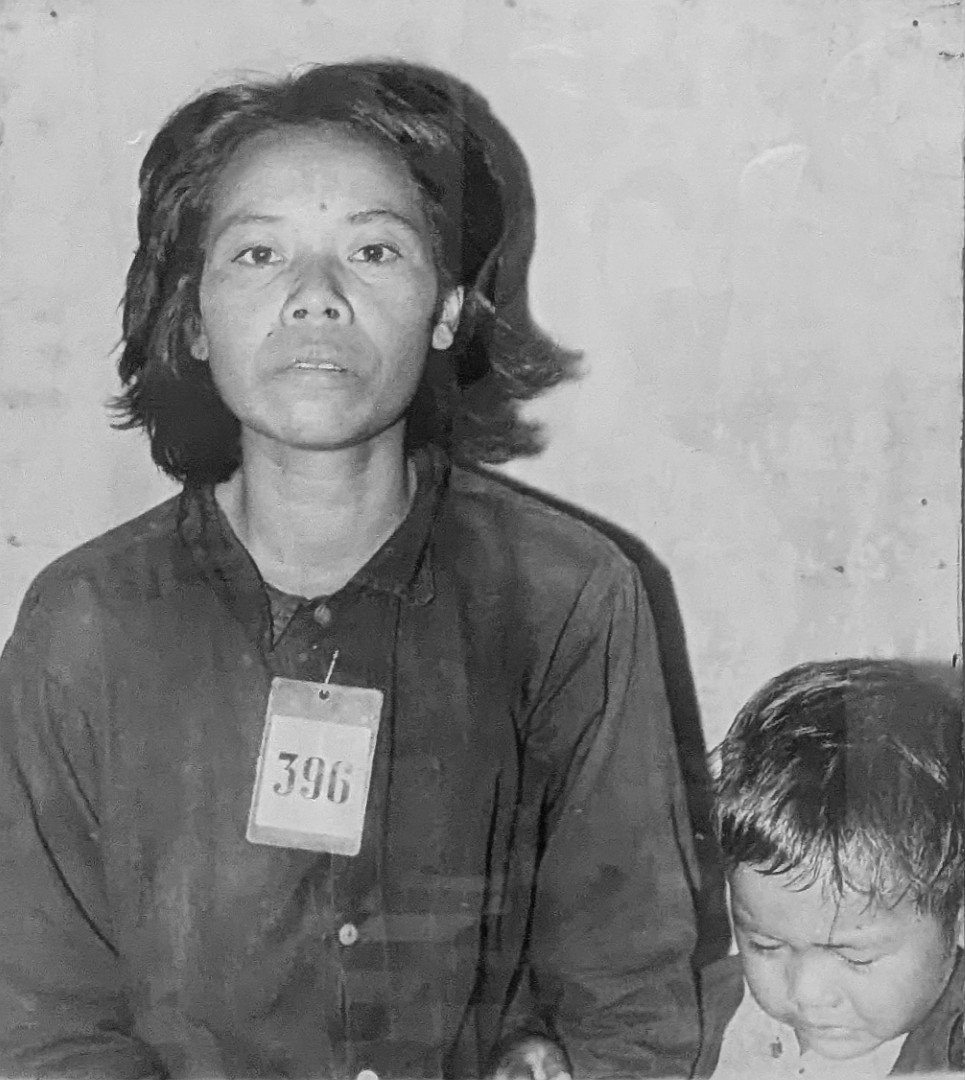
Madonna and Child is a key theme in Western art, symbolizing motherhood, divine love and
salvation.
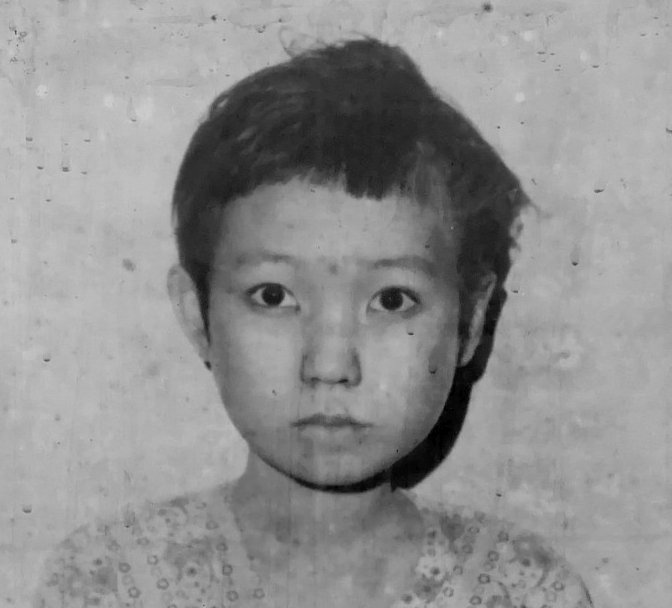
152 Boy with no name
An eleven-year-old must have been devious, dangerous even when asleep, when his skin
levered so tight over growing bones it looked like it would split.
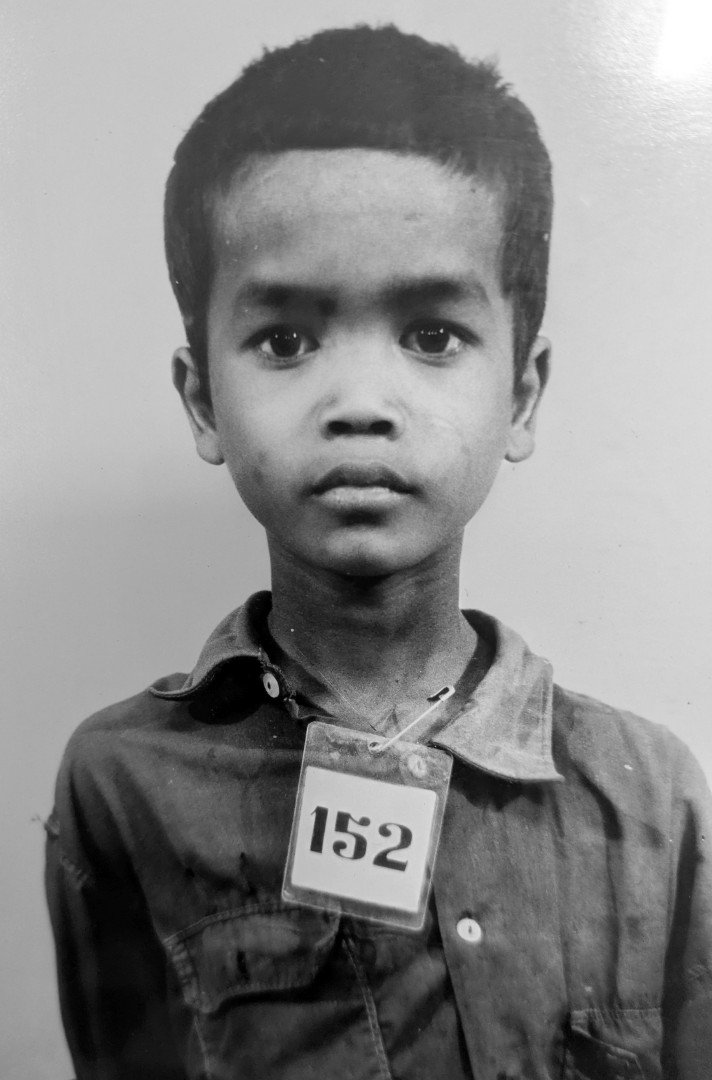
I did not photograph many faces. Thomas Roma asks, ‘How could someone looks at 6,000
of these images and make decisions about which 100 to print? …Whose portrait was good
enough to make the cut? By what measure?’ 10
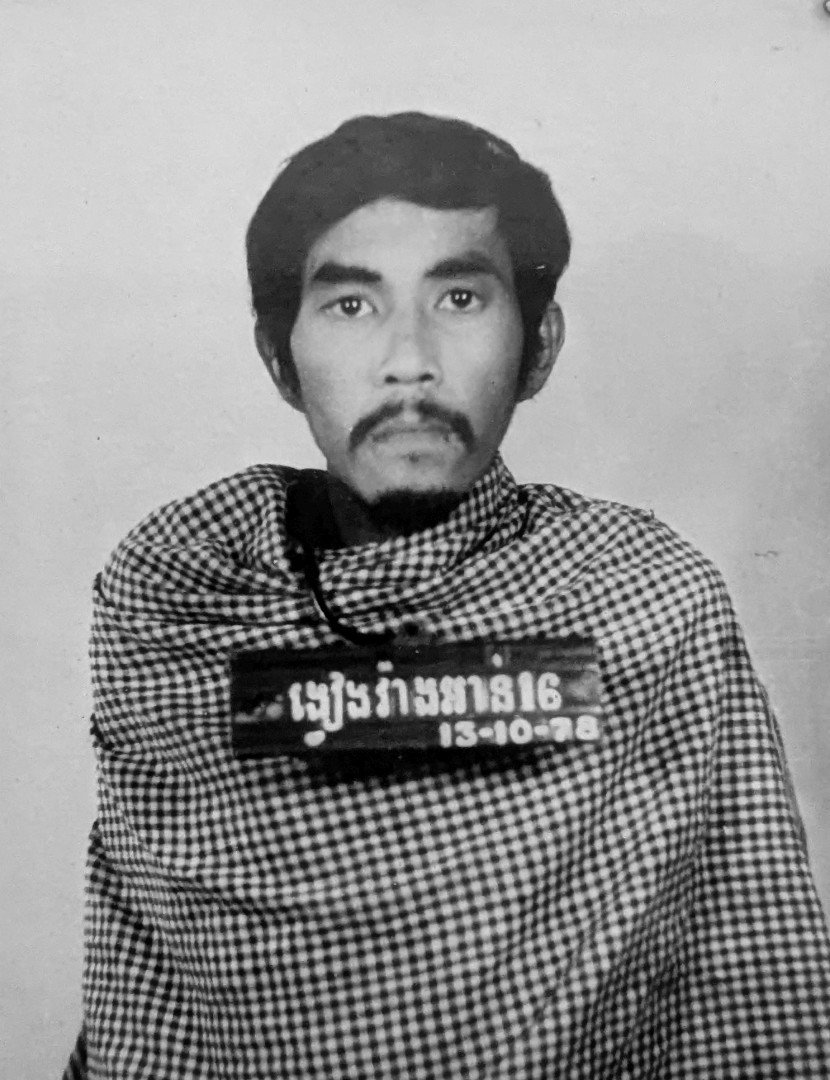
16 Who are we?
But who are the innocent? We need information and guidance. I can’t read the text. I see a
young man with a solid look wearing a Krama, probably red-and-white or red-and-black
checked version which was the unofficial uniform for Khmer Rouge members.
Many thousands of documents, including 4,186 of the confession files and 6,578 of victims
and perpetrators’ biographies survive to this day in the archive. It also holds: ‘confessions of
seventy-nine former workers at the prison. Twenty-four of these prisoners had been
interrogators, and twelve had been document workers. Most of the others had been guards.
These texts provide valuable biographical data about the young men working at the prison. .
. and the practice of torture (tearunikam) there.’ 11
Nic Dunlop exaggerates when he writes: ‘In fact, S-21 was created for rooting out enemies
from within the party. The majority of prisoners were from their own ranks-a fact that now
adds an unwelcome moral complication. Among the photographs are interrogators from the
prison itself, their roles drastically reversed in one of the many purges. Divisions between
the guilty and the innocent break down.’ 12
Detective (1988–89) is a large installation by the French artist Christian Boltanski. He cut
photographs from a French specialized crime magazine named Detective. The individuals
who are either actors, killers, or victims. Because they are removed from their original
context, it is impossible to distinguish between them. In an early work, ‘Search for and
Presentation of Everything that remains of my Childhood, 1944-1950’ (1969) Boltanski
presented a vast collection of photographs and photographs of objects pertaining to his
early childhood – an archive of recovered identity. However, some ‘relics’ were fake – not
from, or of Boltanski at all. 12
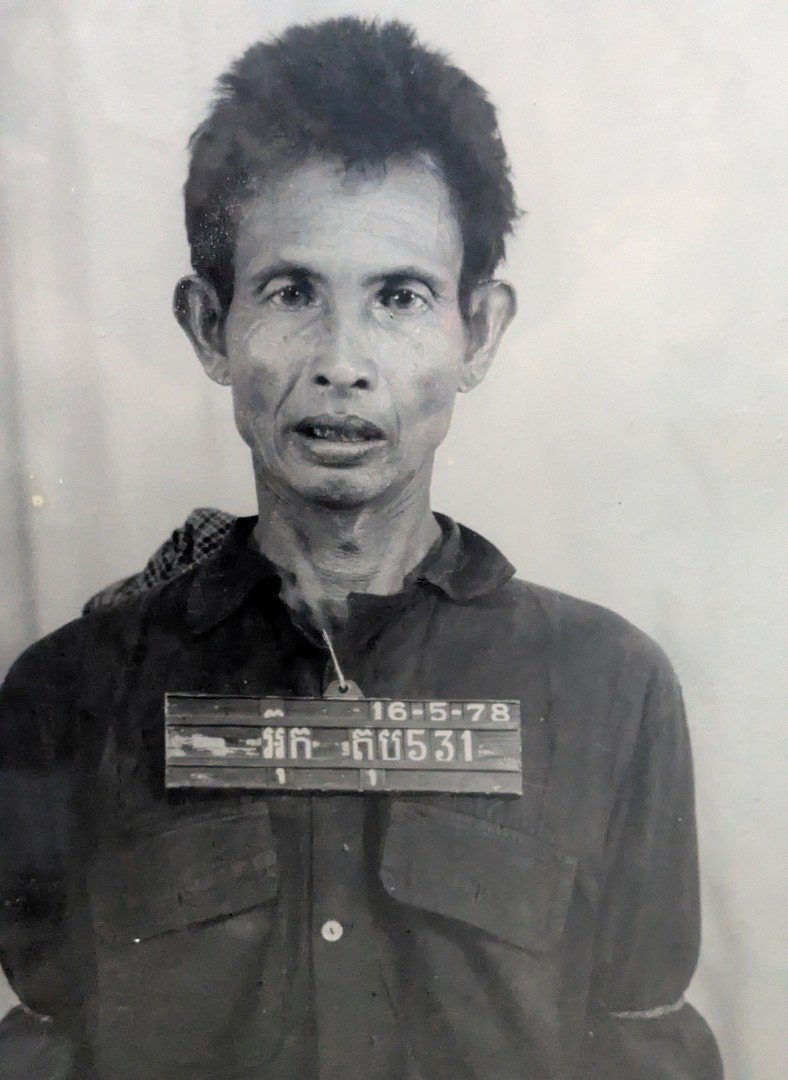
531 The Photographer
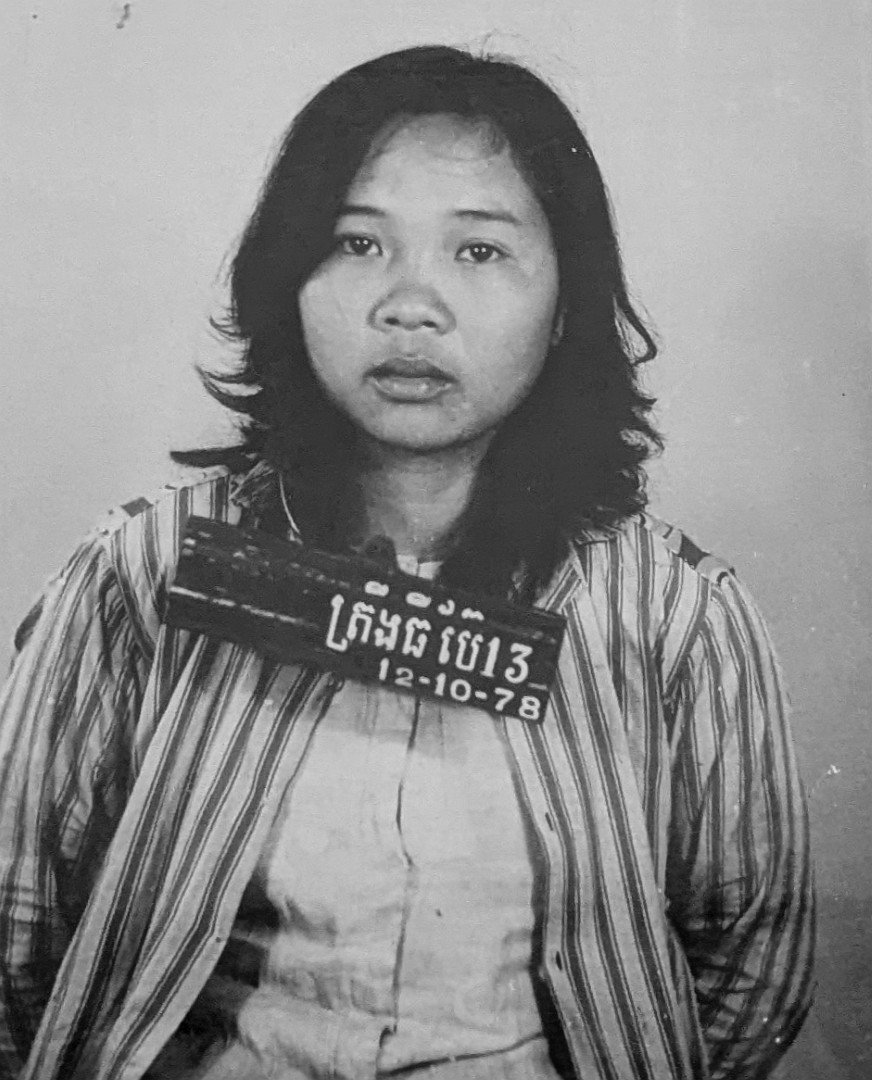
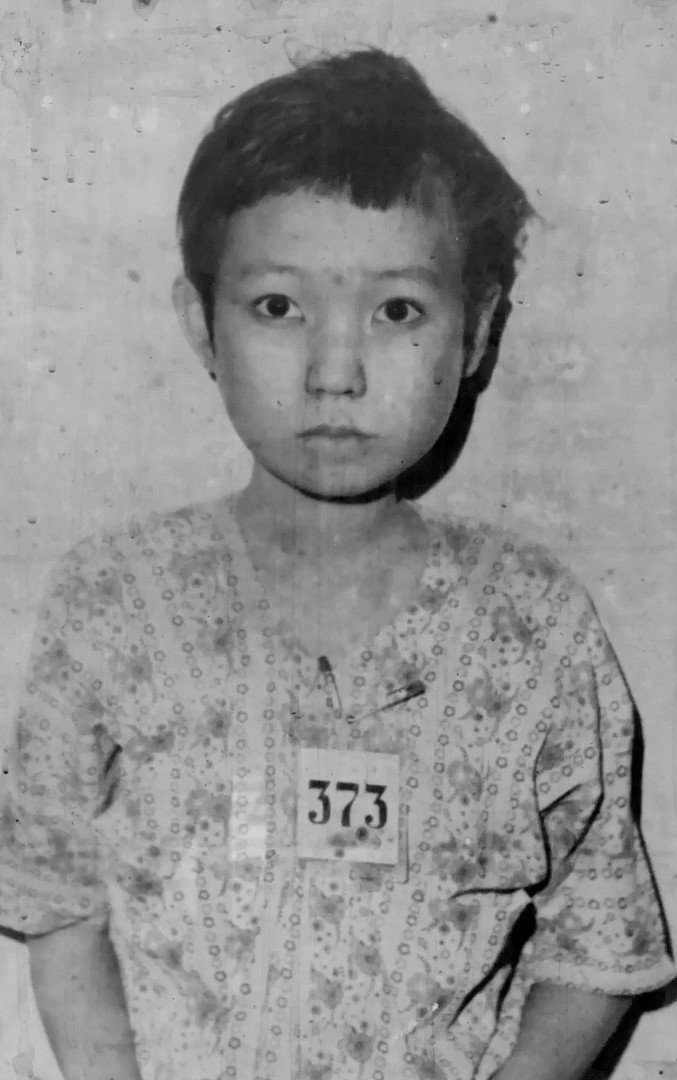
For S21 Every prisoner was photographed on arrival at S21, a prison identity number hung
around their necks, the vast majority still bound and caught by the camera at the moment
that their blindfolds were removed. It was an essential and rigorously enforced part of the
S21 induction ritual. A special chair with a metal rod protruding at head-height was used to
ensure that each subject was correctly positioned for their moment in front of the camera.
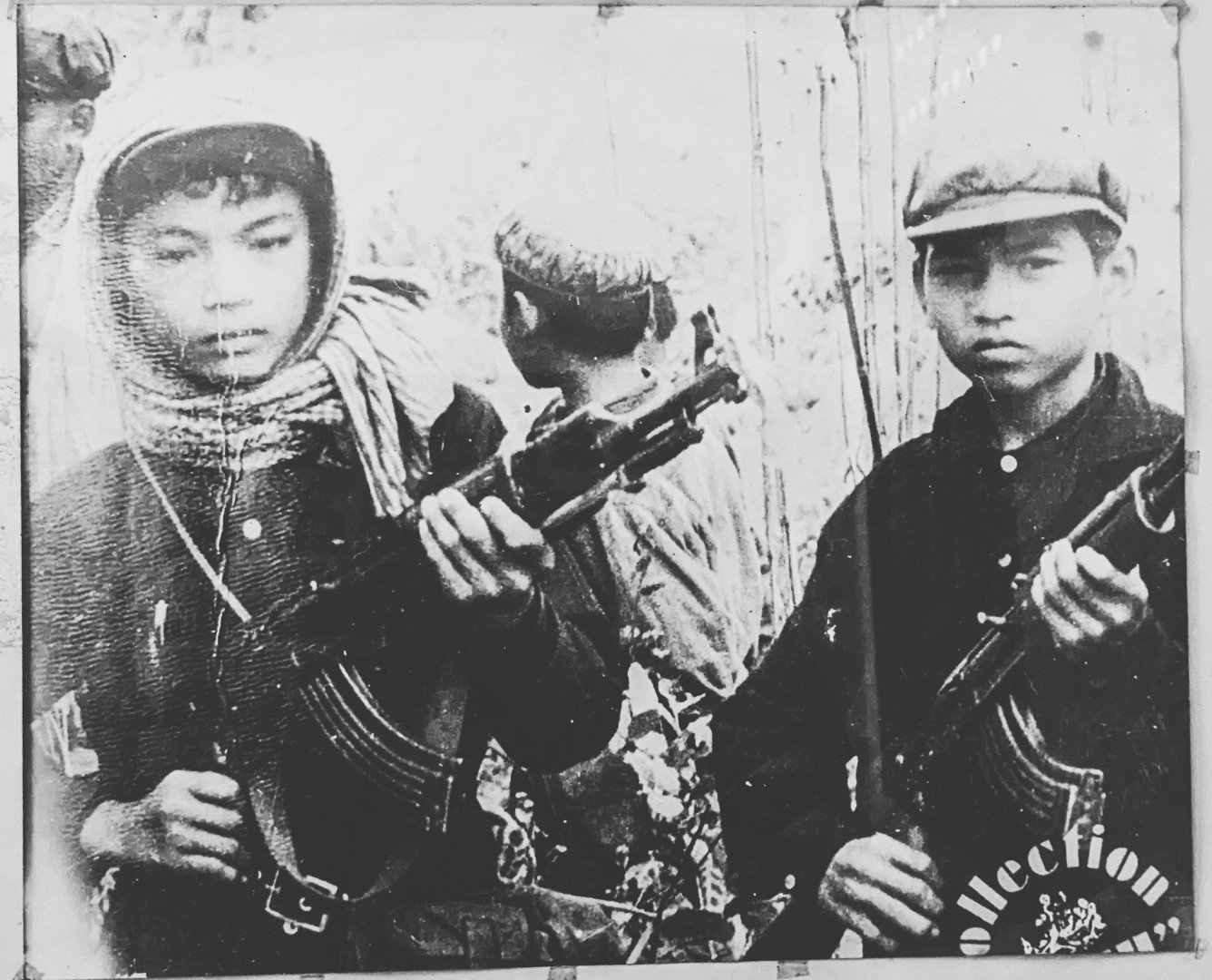
The photographer’s name was Nhem Ein. He’d been a Khmer Rouge recruit since the age of
ten. He was part of the Artistic Childrens’ Liberation Troupe, which danced and sang for
visiting delegations of leaders. At the same time, En served as a rearguard soldier for the
National Front. His youth group was taught how to use automatic weapons, and at the age
of 12 was issued his first gun. He was sent to Shanghai to learn photography before
becoming S21’s official photographer aged 16.
He was given a studio and several assistants at S-21. Nhem received his daily orders directly
from Khmer Rouge interior minister Son Sen and prison commandant Brother Duch: ‘Every
time I met with them they both told me to be very careful when taking photographs, not to
ruin or lose them, and to keep them in order. I was also told to keep the darkroom clean
and proper…. They told us that we were clean-minded, and we were the representatives of
the Angkar.’14
Nhem was told by Son Sen that the purpose of the photographs was, ‘for conducting
investigations on issues about the CIA spies, KGB, Vietnamese.’
One day in 1977, his cousin was brought to S-21: ‘We just looked at each other but we were
afraid to talk to each other. During those three years that day was the worst, but it was not
the only bad day, there were many other days I felt bad. All of my cousin’s family members
were also killed.’
‘There was no artistry in his work. It was an extension of torture, nothing more.’ Nic
Dunlop15 I think Nhem was a skilled photographer working under pressure. He had to take
hundreds of photographs by day and work in the darkroom at night.
What did Nhem say to the prisoners? Eyes straight ahead? What was his tone of voice? What
lighting did he use?
Confessions
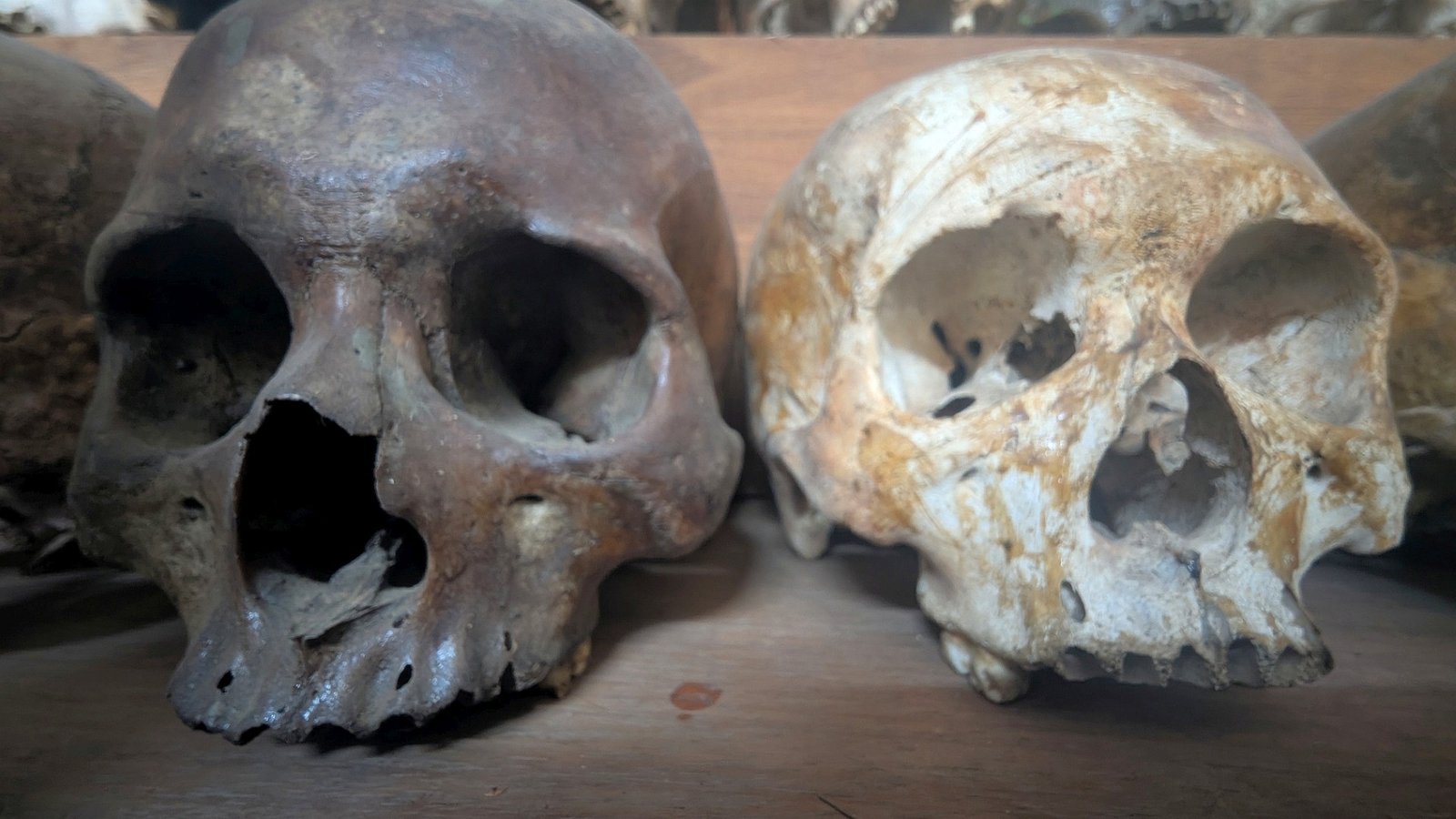
The Camera did not steal your spirit. Behind the walls and barbed wire, behind 50 years,
behind the most radical and violent of revolutions, behind the skulls, your faces appear.
Already traumatised, taken, separated from loved ones, family perhaps already disappeared,
so many simply vanished. But you are here, staring back, eyes open wide against anonymity.
I am looking back in the present tense.
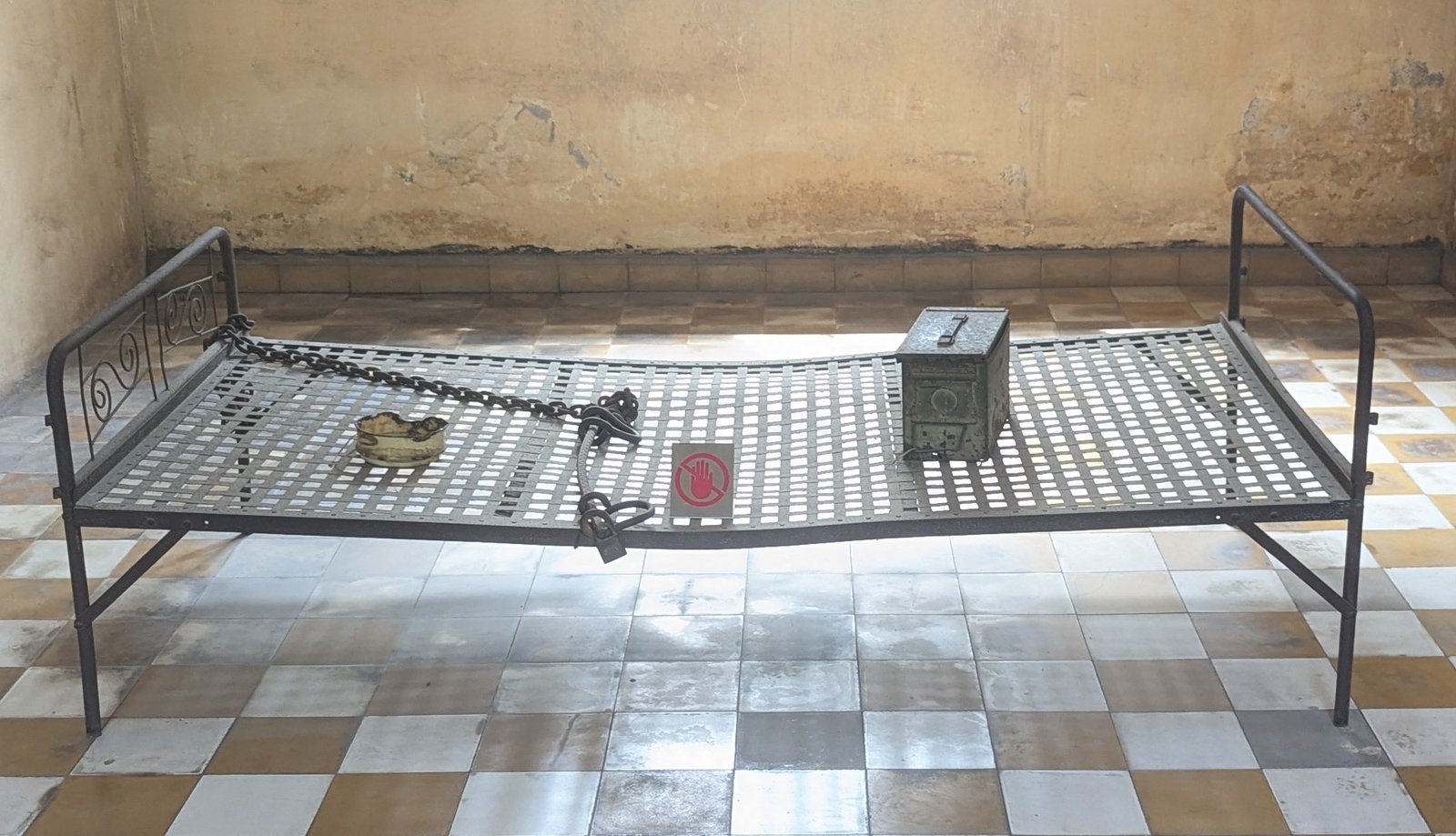
And now you are besieged by visitors – tourists, school groups, the curious, the inquisitive.
What would you say? Hide my likeness?
‘Roughly 500 of the prisoners whose confessions have survived, or slightly more than 10
percent of the total, had held positions of responsibility in DK. . . higher-ranking prisoners
at S-21 often received special treatment. . . Cadres quartered in the so-called “special
prison” slept on beds and received the same rations as the staff. After they had been
interrogated and tortured, he said, they were bathed and patched up by S-21 paramedical
personnel and given time to compose more “accurate” confessions.’ 16
‘The S-21 interrogator’s manual: They must write confessions in their own voice, clearly,
using their own sentences, their own ideas. We should avoid telling them what to write.
When they have finished telling their story or writing it down, only then can we raise their
weak points, press them to explain why they did things, why they are lying, concealing,
abbreviating things.’
\Vann Nath recalled being held for a time in the same room as a discredited Khmer Rouge
cadre, known for his brutality but now disgraced: ‘When he was in the cooperative, he acted
like a king,’ Vann Nath recalled. ‘No-one could look at his face. But now he was shackled by
the legs, looking like a monkey.’
Were they perpetrators or also victims of a vicious system? It was a dangerous place to work.
As many as one-third of the prison staff were executed,
Torture
I want names too – of those who invented waterboarding, nail pulling electric shocks, severe
restraints forced to eat human faeces and drink human urine, hot metal instruments and
hanging, cut with knives, suffocated with plastic bags, hanging upside down, holding up
arms for an entire day, being jabbed with needles, paying homage to image(s) of dogs,
paying homage to the wall, paying homage to a table, paying homage to a chair, sleep
deprivation and good old-fashioned beatings.
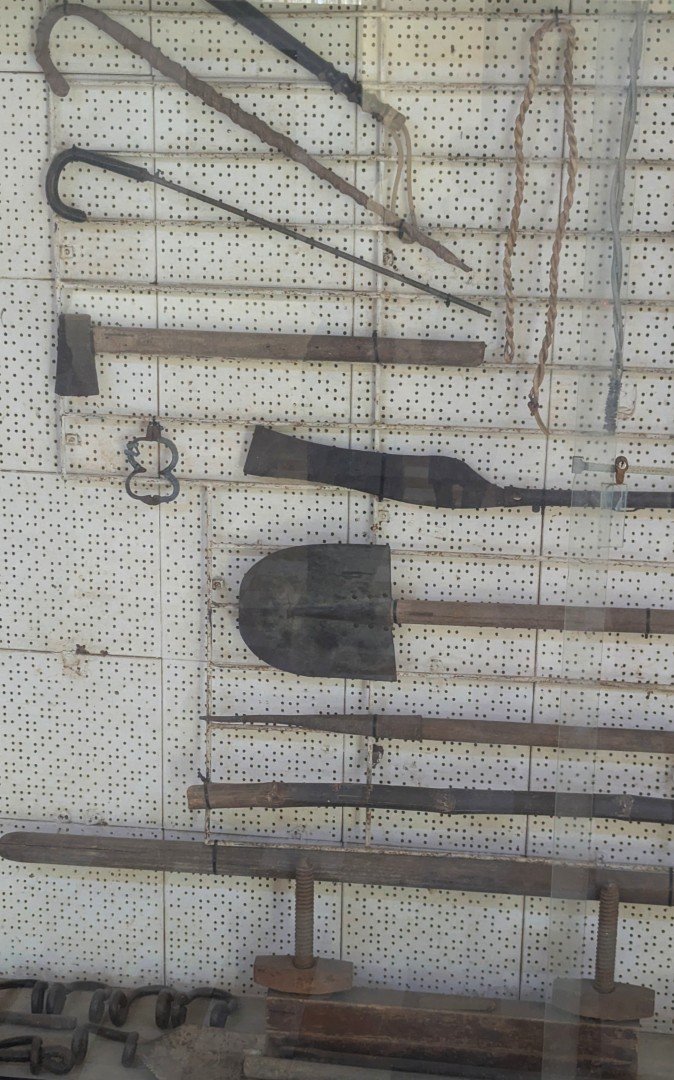
‘Of the twenty-four interrogators at S-21 who were later arrested, eighteen admitted
torturing prisoners. Eleven confessed to beating prisoners to death, as did one of the
guards. Some of the confessions implicated others on the staff whose confessions have not
survived.’ 17
Vann Nath’s memories of electric shock: ‘[The interrogator] tied an electric wire around my
handcuffs and connected the other end to my trousers with a safety pin. Then he sat down
again. ‘Now do you remember? Who collaborated with you to betray [the Organization]?” he
asked. I couldn’t think of anything to say. He connected the wire to the electric power,
plugged it in, and shocked me. I passed out. I don’t know how many times he shocked me,
but when I came to, I could hear a distant voice asking over and over who my connection
was. I couldn’t get any words out. They shocked me so severely that I collapsed on the floor,
my shirt completely drenched with sweat. . . . To this day I don’t understand why they
arrested me.’
The prisoners (that word not doing enough work here) were thinking of their loved ones
when forced to denounce them,
The ‘Medical Unit’ at Tuol Sleng, however, did kill at least 100 prisoners by bleeding them to
death and there’s evidence that prisoners were sliced open and had organs removed with no
anaesthetic.
When does the unbearable become bearable again?
How many wanted one more birthday, how many deliverance from their condition, disease,
damage to feet, arms, torsos, hearts? And there were no hospitals left, for anyone.
Death becomes the only possible miracle.
404 Acting out
Estimates suggest over 50 million people died in the war described in the Ramayana. There are approximately 74 on stage deaths in Shakespeare’s 38 plays, with about 200 total character. By age 18, the average American will have viewed up to 40,000 simulated murders and 200,000 acts of violence on television. Crossfire (2007) by Christian Marclay is an immersive eight minute four-channel video installation, that places viewers in the centre of a chaotic, montage of Hollywood gunfights – a sonic and visual assault .
The guards no older than teenagers at the time claim they acted under both fear and
indoctrination where they reenact the awful work an imaginary pantomime with too much
enthusiasm, the beating and yelling demanding names and a confession.
They reenact crazed, Have you ever wanted to hit someone as hard as you could?
The discipline of discipline could not accept the diagnosis of pyschosis.
One says, ‘when I think about it I get a headache.’
Art
Bou Meng under torture gave a false confession, admitting to being part of a CIA network,
and naming other collaborators. When Duch, found out that he was an artist, he told him to
reproduce a black and white photograph of Pol Pot. Duch warned him that if it wasn’t lifelike
he’d be killed. Bou Meng was saved, his wife was killed in the prison.
Vann Nath was a renowned Cambodian artist and spared to paint portraits of Pol Pot, his
post-war paintings documenting the brutal torture he witnessed are now displayed at the
museum to ensure the genocide is not forgotten.
In a documentary by Rithy Panh, Nath points out that not one perpetrator has ever asked for
forgiveness or acknowledge their guilt. He asks the guards if they considered themselves
victims, without a hint of forgiveness in his voice. ‘How could you get used to such
suffering?’ he asks quietly. One replies: ‘I was arrogant, I had power over the enemy. I never
thought of his life.’18
The other prisoner Chum Mey cries. Duch kept Chum Mey alive because he could fix typewriters – crucial for taking down confessions. He also fixed sewing machines, used to make thousands of black Khmer Rouge uniforms.
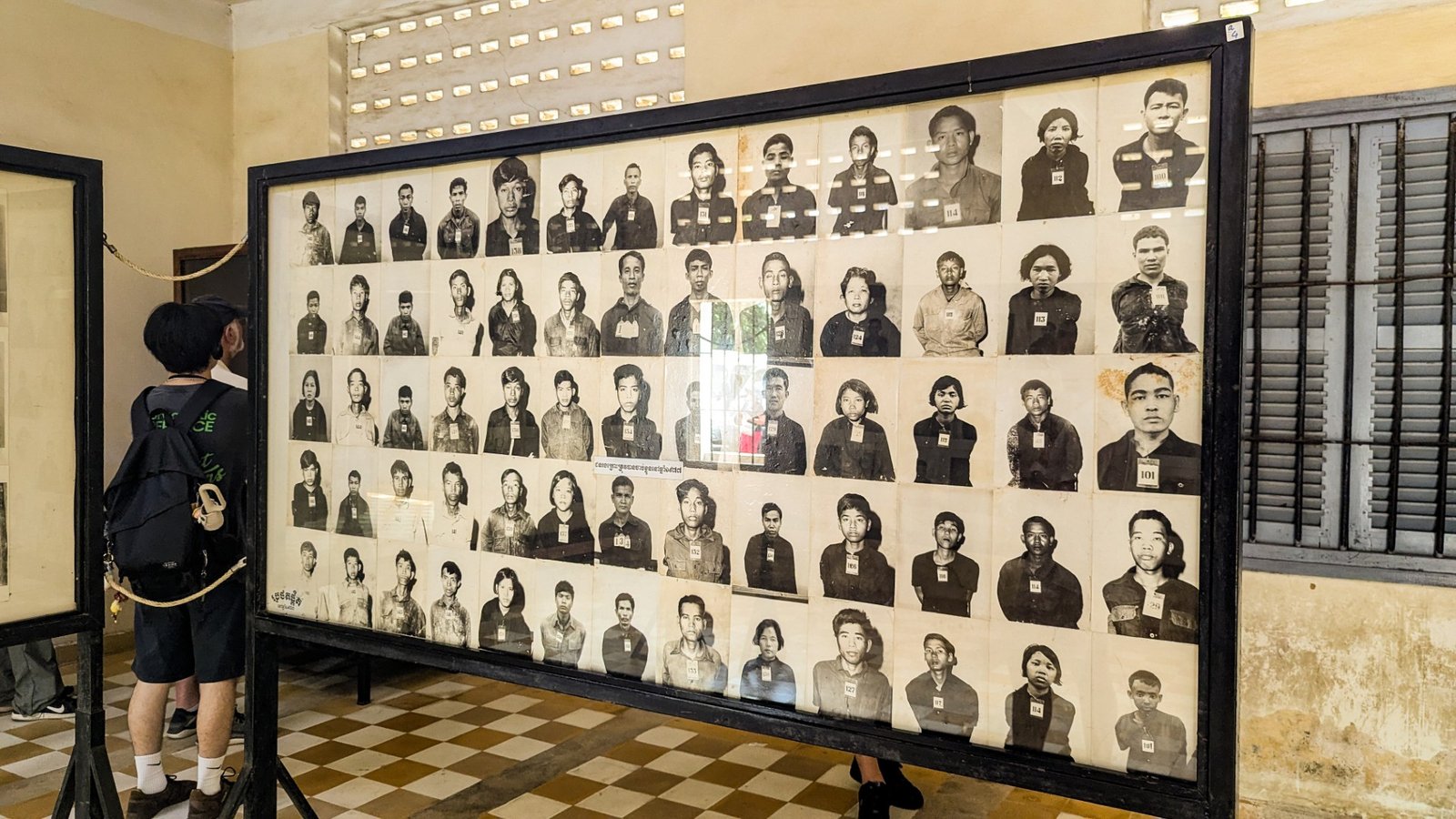
In 1993, two young photographers, Chris Riley and Douglas Niven, cleaned and archived 6,000 negatives in return for the right to publish a selection in a book called The Killing Fields. Each page shows a separate photograph without captions. The book has no introduction, but an essay at the end by the Cambodia scholar David Chandler and a firstperson account by one of only seven prisoners who survived, Vann Nath
In 1997, one hundred of these photographs were exhibited in a show entitled S-21 during a photography festival in Arles, France. The curator Christian Caujolle called the exhibition ‘The Duty of Memory in Arles’ and stated that his reasons for their inclusion were political. He designed the installation to reduce aesthetic value with poor lighting accompanied with hard to access text
Later that year, the Museum of Modern Art, New York, exhibited 22 photographs in a show entitled Photographs from S-21: 1975-1979. These beautifully lit gelatin silver prints were in editions of six. There were no labels to the photographs. Both sparked controversy Nic Dunlop argues that in this context the photographs become ‘studies in photography’s aesthetic possibilities first and evidence of mass murder second… a self-defeating exercise
in highbrow voyeurism.’
Thierry de Duve wrote, ‘Calling the photos by the name of art, baptizing them, in the second person – “You are art” – is just one way, the clumsiest, certainly, of making sure that the people in the photos are restored to their humanity; and this, not their so-called art status, is of course what matters.’19
Aby Warburg’s archive he called Mnemosyne Atlas (1927-1929. Consisting of some 1,000 photographic reproductions of artworks and visual artefacts arranged to demonstrate the survival of pagan antiquity in the Renaissance. The archive has a knotty relationship with and knowledge/ truth, memory / forgetting. The S-21 archive could question the nature of the Buddhist faith when nearly all the Kymer Rouge were Buddhists.
373
The head of S-21 Prison was Kaing Guek Eav, better known as Brother Duch [pronounced
DOIK] was feared by both guards and inmates. He gave direct orders to ‘kill every last one’,
including children.
When the Vietnamese-backed army routed the Khmer Rouge, Duch fled
into the jungle, where he remained for years, continuing to serve the Khmer Rouge, who
waged war against the new People’s Republic of Kampuchea (PRK) government. He also
returned to teaching.
Nic Dunlop was on a quest to try to find do the former karou prison chief. ‘There were many
rumours about Duch including that he had been killed or was working under a pseudonym
for an aid agency. Then, in early 1999, on assignment in western Cambodia, I hitched a ride
into the former Khmer Rouge region of Samlot with members of a landmine removal squad.
As they sat down to a meeting with local leaders, I wandered over to a group of people in
hammocks beside the district office.
I was talking to an amputee Khmer Rouge soldier when a short, wiry man appeared, wearing
a white T-shirt emblazoned with the initials ARC (American Refugee Committee). Shaking
my hand, he politely introduced himself in perfect English as Hang Pin. He was a born-again
Christian who had been working for American aid organisations since 1997. He took a keen
interest in my Leica, asking me how much it cost. Using this opportunity to photograph the
people in the group, I caught him in the frame. Large ears, bad teeth, cropped hair-he had
aged a little, but the likeness to the photograph tucked in my back pocket was
unmistakeable. Hang Pin was Comrade Duch.’20
Duch had converted to Christianity and said that he wanted to reveal the truth about S-21,
whose existence Khmer Rouge leader Pol Pot had claimed was a Vietnamese fabrication.
During his trial, Laban notes, ‘Duch made a number of disquieting claims. A man accused of
mass murder appeared to be portraying himself as a hero, almost a martyr, someone who
embodied qualities that everyone would applaud: hard work, diligence, resolve, devotion to
nation, trustworthiness, and the accomplishment of duties.’ 21
The writer and documentary film maker Rithy Panh recalls ‘I’m thirteen years old. I’m alone.
If I keep my eyes shut, I see the path. I know where the mass grave is, behind Mong hospital
. . . I’ve seen enough faces. They’re rigid, grimacing. I’ve buried enough men with swollen
bellies and open mouths. People say their souls will wander all over the earth.’ 22
Panh interviews Duch who says: ‘S-21 was the end of the line. People who got sent there
were already corpses. Human or animal? That’s another subject. ‘I ask Duch, too, if he has
nightmares . . . He considers for a while and then answers me with lowered eyes: ‘No’.’
Rithy Panh had previously, conducted long interviews with perpetrators: ‘Sitting in a former
cell in S-21—the torture centre has been turned into a museum—one of them blurts out,
“The prisoners? They were like pieces of wood.” He laughs nervously. At the same table,
before a picture of Pol Pot, another one explains, ‘Prisoners have no rights. They’re half
human and half corpse. They’re not humans, and they’re not corpses. They’re soulless, like
animals. You’re not afraid to hurt them. We weren’t worried about our karma.’ 23
We
In 1977 Susan Sontag published a critique of photography called On Photography criticising
the aestheticisation of suffering, photography as voyeurism. In Regarding the Pain of Others
(2003) she thinks photography can help enlarge our sense of the suffering, but often ends
in passivity – voyeurism rather than action. She thinks no adults have has a right to
‘innocence’ or ‘amnesia’. ‘Our sympathy proclaims our innocence as well as our impotence.
To that extent, it can be (for all our good intentions) an impertinent- if not inappropriateresponse.’
Forgiveness / forgetfulness. Innocence is apocryphal, outrage too scarce. The treachery of
violence . . .
The Khmer Rouge violated the Nuremberg Principles, the United Nations Charter, the laws of
war, and the UN Genocide Convention. Yet after the regime’s collapse, the perpetrators were
rescued, rehabilitated and even rewarded-by China, Thailand, the United States, and even
the UN. Following the 1979 Vietnamese invasion that ousted the Khmer Rouge, the United
Nations (UN) General Assembly voted (71-35) in September 1979 to allow the
representatives of Pol Pot’s Democratic Kampuchea (including Leng Sary and Thiounn
Prasith) to retain Cambodia’s UN seat.
Alexander Laban Hinton asks, ‘How do human beings become part of a project of mass
murder. It’s too easy to dismiss people as sociopaths or psychos. Instead, you really have to
grapple with their humanity.’ 24
David Chandler thinks, ‘Most of us, I suspect, could become accustomed to doing
something (such as torturing or killing people) when people we respected told us to do it
and when there were no institutional constraints on doing what we were told. For many of
us the task would be made easier if the victims were branded as outsiders.’25
Notes:
1
Julie Michele Fleischman, ‘Remains of Khmer Rouge Violence: the Materiality of Bones as Scientific Evidence
and Affective Agents of Memory’, Thesis, Michigan State Uni https://d.lib.msu.edu/etd/6679?_ p206-7
2 David Levi Strauss, ‘The Lost Beauty of Humankind: Robert Bergman’s Portraits in the Hill Collection,’ essay by the curator, writer and art critic, January, 2026.
3 Quoted by Seth Mydans, ‘Cambodians Demand Apology for Khmer Rouge Images With Smiling Faces;, NY
Times, April 13, 2021.
4 Roland Barthes, Camera Lucida: Reflections on Photography, (1980), trans. Richard Howard, Hill and Wang,
1981.
5 ‘It is by studium that I am interested in so many photographs, whether I receive them as political testimony or
enjoy them as good historical scenes: for it is culturally (this connotation is present in studium) that I
participate in the figures, the faces, the gestures, the settings, the actions. … The second element will break (or
punctuate) the studium. This time it is not I who seek it out (as I invest the field of the studium with my
sovereign consciousness), it is this element which rises from the scene, shoots out of it like an arrow, and
pierces me. … This second element which will disturb the studium I shall therefore call punctum.’ Roland
Barthes, Camera Lucida, p26-27.
6 Susan Sontag, Regarding the Pain of Others, Farrar, Straus and Giroux, 2003.
7 David Chandler, Voices from S-21: Terror and History in Pol Pot’s Secret Prison, U of California P. 1999, p13.
8 Diane Arbus, ‘Five Photographs by Diane Arbus’, Artforum, April 1, 1971.
9 Seth Mydans, 2021.
10 Thomas Roma, ‘Looking Into the Face of Our Own Worst Fears Through Photographs’, The Chronicle of
Higher Education, Vol. 44, Issue. 10, 1997.
11 David Chandler, 1999, p11.
12 Nic Dunlop, ‘On the trail of Pol Pot’s chief executioner: A single photograph led me to the “technician” of
Cambodia’s holocaust’, Prospect, August 19, 2002
13 Nic Dunlop, The Lost Executioner: The Story of Comrade Duch and the Khmer Rouge, Bloomsbury, 2005. Also titled, The lost executioner: a journey to the heart of the killing fields – and The lost executioner: A Story of the Khmer Rouge.
14 Peter Maguire, Cambodia Genocide: Memories From Tuol Sleng Prison, 2002. And see Facing Death in
Cambodia, Columbia UP, 1995.
15 Nic Dunlop, 2002.
16 David Chandler, 1999, p37, p108, p121.
17 David Chandler, 1999, p131, and p131.
18 ‘An Artist’s Stark Vision Of Cambodian Slaughter: S21: The Khmer Rouge Death Machine’ Directed by Rithy
Panh’. Review by Elvis Mitchell, Ny Times, Oct. 4, 2003.
19 Thierry de Duve, ‘Art in the Face of Radical Evil’, October, 2008.
20 Nic Dunlop, 2002.
21 Alexander Laban Hinton, Man or monster?: the trial of a Khmer Rouge torturer, Duke UP, 2016. His book is
about Duch [pronounced DOIK], commander of S-21, p8.
22 Rithy Panh and Christophe Bataille, trans, John Cullen, The Elimination: A survivor of the Khmer Rouge
confronts his past and the commandant of the killing fields, Other Press, 2013.
23 Rithy Panh and Christophe Bataille, 2013
24 Alexander Laban Hinton, 2016.
25 David Chandler, 1999, p151.