1
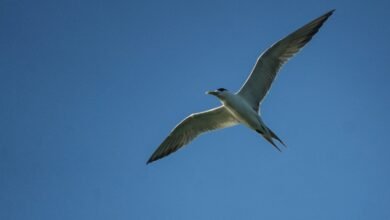
The day starts with gardening beside Jagun, then the usual bird survey
and a stroll through Sawtell. Photographs use energy to catch the light
taken for granted by the sighted. The world is choked with particulars
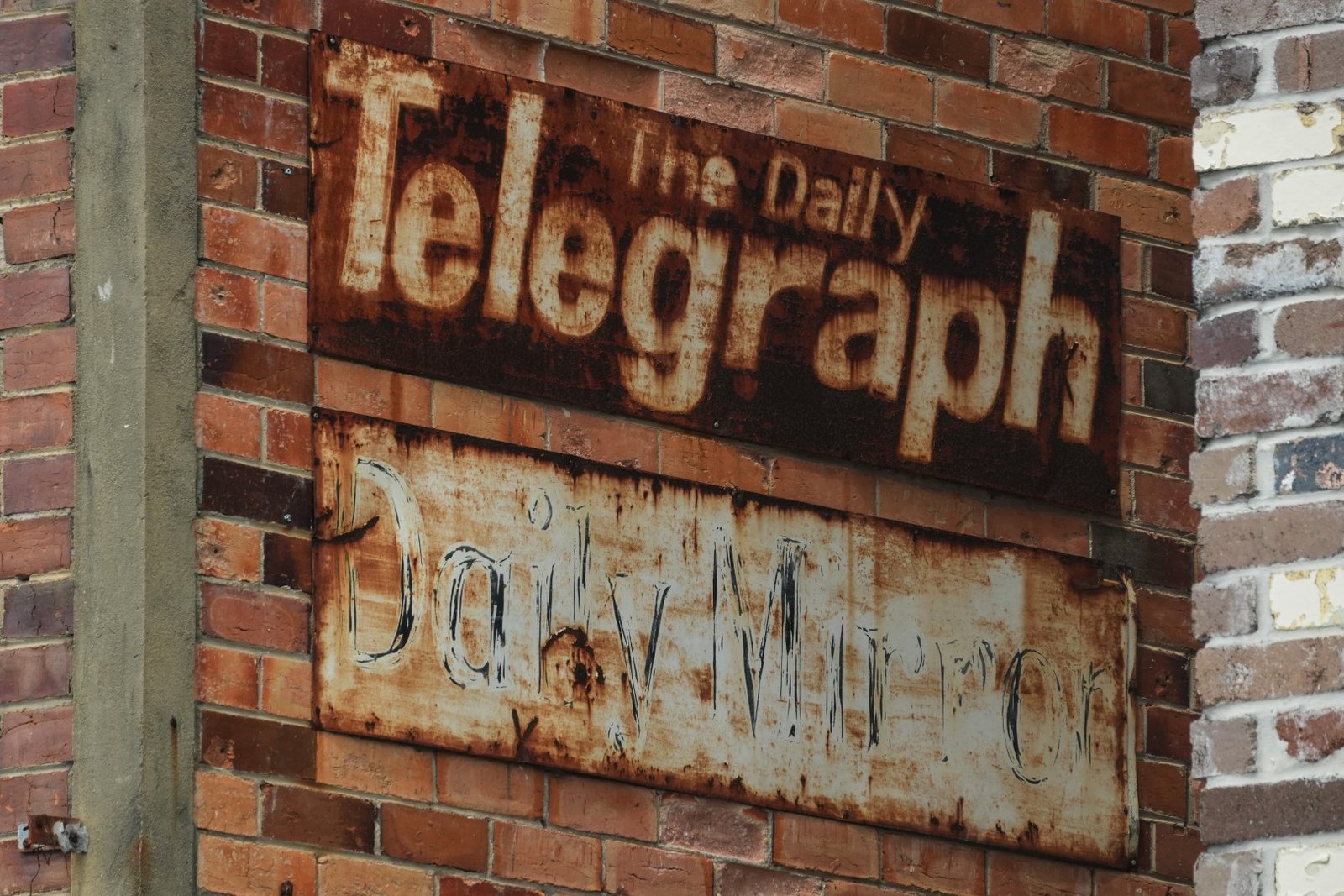
for a lens and it finds signs of our activities everywhere.



2
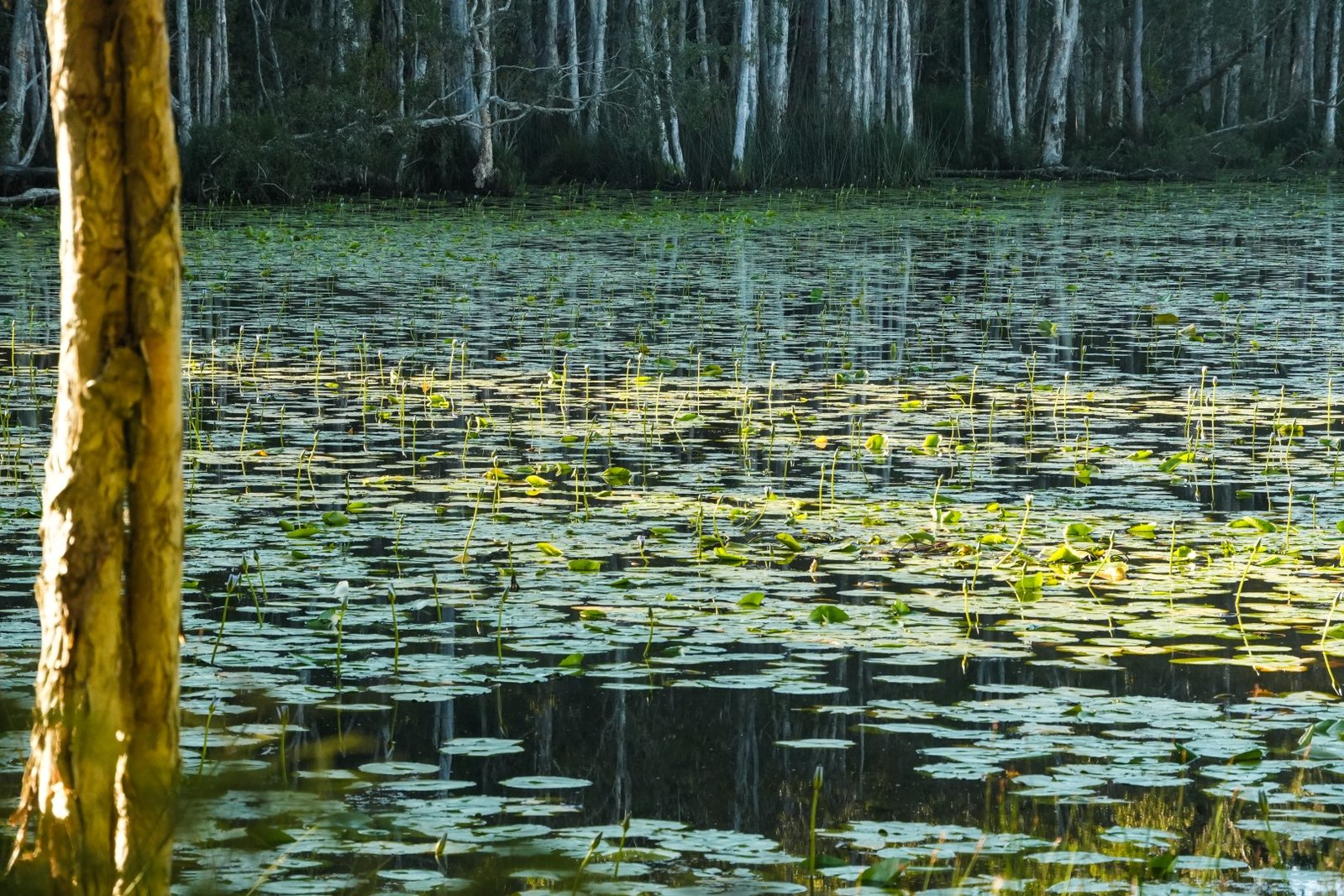
In the picture windows wind-ripped bark flickers down to earth
in Jagun, the sun is still shining but no fridge, no fans, oven clock
or radio – the power crashed without warning.
What percentage of civilisation has been knocked out?
Gilgamesh opens on Uruk’s walls stretching ten kilometres,
3 metres thick with fifty defensive towers, proudly made.
That is one of the earliest projects of civilisation, attack
and defence yo-yoing for the last three thousand years.
Abbot Suger championed glass over walls to create a space
for exaltation. He described his building as ‘prayers made
of stone and light’. Thin, buttressed, stone walls were dwarfed
by vast stained-glass windows. St. Augustine imagined light
radiating truth in the cortex and divine presence in the soul,
spiritual awe assisting prayer which demands attention
from supernatural beings. The last bees fuss over the Magnolia.
The possum is asleep inside the barbecue cover.
Out of the shadows, a chant of mellifluous Gregorian
from my Benedictine education. I never knew the meaning:
‘Death is struck, and nature quaking. All creation is awaking,
To its Judge an answer making.’ (Dies irae)
I never found religion’s role in culture to be positive
often stirring conflict and making life or death demands.
My view of Jagun is worship made from leaves and light
with love, respect, even reverence.
Bushfires are flaming out of control, three people missing south,
houses lost, homes incapable of using electricity. My pen glides
over paper still accepting ink, words are still working, and finding
a home in this poem that may never see the light of day.
‘To reach the farthest chamber of Lascaux, it’s likely
a man had to snuff out his light, lower himself down a shaft
with a rope made of twisted fibres, and then rekindle
his lamp in the dark so as to draw the woolly rhinoceros.’
Art is fundamental to illumination and illusion. Given Augustine’s
Confessions when an orderly in the war Stanley Spencer
became a believer in the Resurrection in broad daylight
everyone surprised to be in their usual clothes and saved.
Goldsworthy used local chalk to seed a narrow forest path
in West Sussex, my County. The work was designed for one night
under a full moon. The glinting path meandered through trees
creating an uncanny effect. He creates without electricity, or petroleum,
occasionally uses a chainsaw, but usually plays with careful,
patient, fingers, working icicles, mud, flower petals and leaves.
He has been quoted as saying: ‘I feel a deep insecurity in nature.
A natural, unpredictable and violent energy.’
I designed a T-shirt for the Poets Union using Walt: ‘I sing the body
electric. I sound my barbaric yawp over the roofs of the world.’
I am running on electrolytes, mainly sodium and potassium, my body
is radiating heat from this afternoon’s pool party, almost burnt.
After the focus on plants and animals in the agricultural revolution,
electricity powered the next. Complex technologies now so pervasive
we don’t even notice our daily dependence. Electricity is epic,
even without the art of the electrification of the Soviet Union.
I’ve forgotten where we are on the lunar wheel, but crickets
will start soon chanting. Without light I am in Bruegel’s procession,
hands on shoulders toppling into the darkness of a ditch,
repeating Matthews Gospel, Christ dissing the Pharisees.
Our star devours 600 million tons of hydrogen a second,
but its light will soon fade. Dusk’s soft edge is approaching,
the possum will stretch and begin his day tiptoeing into
nocturnal congestion. Candles will be lit, the birds will fall silent.
I am a dependent, in a total power failure critical infrastructure
breaks, water supplies, sewer systems, fuel pumps, traffic lights,
transport systems food supply chains disintegrate
Preparing for a ‘Black Sky’, can we reimagine civilisation? Question
how much sincerity subsists in what we think of as civilised.
A.I. is marching forward, we are already slaves to technology,
will we be able to retrieve the old skills and abilities we may require.
‘The fire with which we have remade the world, is a profoundly double-edged symbol both of our Promethean power to control the earth… and of the frustratingly unexpected limits we repeatedly encounter in the exercise of that power.’ William Cronon
Notes.
Jane Brox, Brilliant: The Evolution of Artificial Light, (2004) Houghton Mifflin Harcourt, 2010.
Goldsworthy quote: ‘Andy Goldsworthy, Cracked Line through Leaves’, May 2025.
https://www.nationalgalleries.org/art-and-artists/48665
William Cronon, foreword to Fire: A Brief History, by Stephen Pyne UNSW, 2001.
‘Noi canteremo… il vibrare notturno degli arsenali e dei cantieri sotto le loro violente lune elettriche.’ F.T. Marinetti, ‘Founding and Manifesto of Futurism’, (1909).
‘Communism is Soviet power plus the electrification of the whole country, since without electrification, modern industry on a large scale is impossible.’ Lenin, the 8th All-Russian Congress of Soviets (1920). That year Lenin created the Commission for Elaborating the Plan for the Governmental Electrification of Russia.
‘There is no document of civilization which is not at the same time a document of
barbarism.’ Walter Benjamin, ‘Theses on the philosophy of history’ (1940).
‘While the term ‘black sky’ events illustrates perhaps the most visible impact of widespread power failures, it fails to convey the scale of the impact these can have. In our modern world, almost everything, from our financial systems to our communication networks, are utterly reliant upon electricity. Other critical infrastructure like water supplies and our sewer systems rely upon electric powered pumps to keep them running. With no power, fuel pumps at petrol stations stop working, road signs, traffic lights and train systems go dead. Transport networks grind to a halt.
Our complex food supply chains quickly fall apart without computers to coordinate where produce needs to be, or the fuel to transport it or refrigeration to preserve it. Air conditioning, gas boilers and heating systems also rely upon electricity to work.’ Richard Gray, ‘What would happen in an apocalyptic blackout?’, BBC, 24 October 2019.